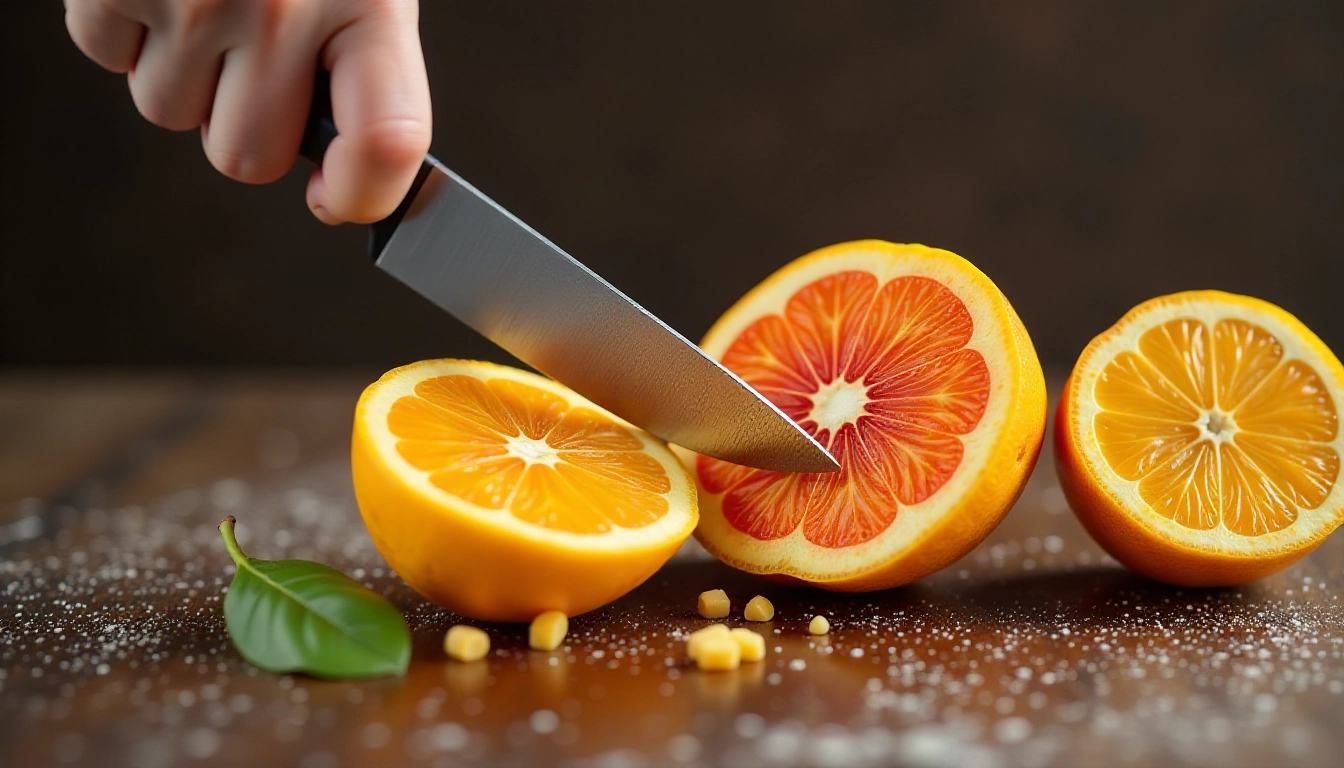
- Research suggests AI ASMR video generators are increasingly popular, creating content quickly while maintaining relaxation effects.
- It seems likely that tools like TopMediai and VEED.IO are enhancing accessibility for creators, but human connection remains debated.
- The evidence leans toward AI improving personalization, yet some viewers prefer traditional human-created ASMR for authenticity.
Overview
AI-generated ASMR videos are transforming how content is created, offering tools that speed up production while aiming to replicate the soothing effects of human-made videos. These tools use advanced AI to generate voices, scripts, and visuals, making it easier for creators to produce high-quality content. However, the debate continues on whether AI can fully capture the personal connection viewers value in traditional ASMR.
Tools and Trends
Platforms like TopMediai, VEED.IO, and FlexClip are at the forefront, offering features like voice cloning and script generation. Recent trends show a move toward personalized and multilingual ASMR, with AI potentially integrating with virtual reality for immersive experiences.
Community and Challenges
While AI enhances accessibility, some ASMR enthusiasts argue it lacks the warmth of human creators, highlighting a divide in community reception. Technical limitations, like replicating subtle triggers, also pose challenges, yet the future looks promising with ongoing AI advancements.
Survey Note: Recent Trends in AI-Generated ASMR Videos
Introduction and Background
Autonomous Sensory Meridian Response (ASMR) refers to a tingling sensation triggered by specific auditory or visual stimuli, such as soft whispers, gentle tapping, or crinkling sounds. Since its rise in the early 2010s, ASMR has become a significant trend on platforms like YouTube, TikTok, and Instagram, with millions of videos dedicated to relaxation and sleep aid. By 2022, research from Swansea University indicated nearly one-third of the UK population had experienced ASMR, with nearly half of 18-24-year-olds familiar with it . In the U.S., ASMR videos ranked as the 7th most popular category on YouTube, with viewership increasing by 350% since 2014, reflecting its widespread appeal for stress relief and improved sleep quality.
The popularity of ASMR has driven innovation, particularly with the integration of Artificial Intelligence (AI). AI-generated ASMR videos leverage machine learning to create content, offering tools that automate voice generation, script writing, and video production. This case study explores recent trends, tools, examples, challenges, and future directions of AI-generated ASMR, providing a comprehensive overview as of June 16, 2025.
The Role of AI in ASMR Content Creation
AI has revolutionized content creation across various domains, and ASMR is no exception. Traditional ASMR production often requires a silent environment, expensive equipment like binaural microphones, and time-consuming editing to ensure high-quality audio and visuals. AI tools, however, streamline this process by generating realistic voices, scripts with ASMR triggers, and complete videos with minimal human intervention. This democratization allows aspiring creators to experiment without professional setups, aligning with broader trends in AI-assisted media production.
For instance, articles like Effortlessly Create ASMR Relaxing Videos with AI highlight how AI models like ChatGPT and AudiBox enable script generation and voice synthesis, saving time and ensuring quality. This automation is particularly appealing in an era where content creators seek efficiency, with AI offering scalability and personalization options, such as generating content in over 120 languages .
Tools and Technologies
Several AI-powered tools have emerged to support AI-generated ASMR videos, each with unique features:
| Tool | Key Features | Notable Use Case |
|---|---|---|
| TopMediai | Voice cloning, text-to-speech, 3200+ voices in 190 languages, high-quality output | Cloning favorite ASMR creator voices for personalized content |
| VEED.IO | Script generation, voice cloning, audio cleaning, AI-generated backgrounds | Creating professional ASMR videos quickly, praised by users like NBCUniversal |
| Republiclabs.ai | Multiple models to choose from, high performing models such as Luma AI Ray2 | Creating videos from text prompt using multiple models in parallel |
| Chanton | AI-assisted script generation for ASMR triggers | Tested for creating videos with tapping, whispering, and humming |
These tools, as detailed in platforms like AI ASMR Generator – VEED.IO, offer features like voice visualizers and green screen effects, enhancing the production process. TopMediai, for example, emphasizes the importance of pure audio samples for better cloning results, ensuring realistic ASMR voices . This accessibility is crucial, lowering barriers for creators and expanding the genre’s reach.
Case Studies and Examples
While specific case studies of highly successful AI-generated ASMR videos are limited, community experiments provide insight. A Reddit discussion (r/asmr on Reddit: [Question] What Do You Think of AI-Generated ASMR? Need Your Feedback!) featured a user sharing their AI-generated ASMR video on YouTube, using tools for script generation and voice synthesis. The video included triggers like gentle tapping and whispering, with mixed feedback: some appreciated the novelty, especially for whispered facts, while others noted the AI voice felt mechanical, lacking human warmth. This experiment, conducted in 2023, highlighted AI’s potential to broaden ASMR content, though it also underscored limitations in capturing authenticity.
Another indicator of success is the growth of platforms like VEED.IO, praised by users like Max Alter from NBCUniversal for enabling quick, high-quality ASMR video creation . Similarly, TopMediai’s voice cloning feature has been used to personalize content, offering viewers the experience of hearing favorite ASMRtists in new scenarios, as noted in Generate Deep AI ASMR Voice with Best ASMR Voice Generator. These examples suggest a growing market for AI-generated ASMR, with tools adapting to meet creator and viewer needs.
Recent Trends and Future Directions
As of June 16, 2025, AI-generated ASMR videos are part of a broader trend toward AI-assisted content creation. Key trends include:
- Personalization: AI tools enable customized ASMR experiences, allowing viewers to select preferred voices, triggers, and scenarios. This is evident in tools like TopMediai, which supports voice cloning for tailored content .
- Integration with Emerging Technologies: Combining AI with virtual reality (VR) or augmented reality (AR) could create immersive ASMR experiences, enhancing the tingling sensation. This aligns with trends noted in 2022 ASMR Video Trends, where binaural technology and VR are seen as turning points.
- Improved Realism: Advances in AI models, such as Resemble AI’s Rapid Voice Clone 2.0, suggest future voices and sounds will be indistinguishable from human-created content . This could blur lines between AI and human ASMR, as discussed in Experience the Future: AI-Generated ASMR Video.
- Accessibility and Inclusivity: AI lowers barriers for creators, enabling multilingual content and reaching diverse audiences, as seen in tools supporting over 120 languages .
These trends suggest AI-generated ASMR will continue to evolve, offering new opportunities for engagement and innovation.
Challenges and Limitations
Despite its potential, AI-generated ASMR faces several challenges:
- Lack of Human Connection: Many ASMR viewers value the personal connection with creators, a parasocial relationship AI struggles to replicate. This was evident in Reddit feedback, where some preferred human ASMR for its warmth (r/asmr on Reddit: [Question] What Do You Think of AI-Generated ASMR? Need Your Feedback!).
- Technical Limitations: Current AI tools may not fully capture ASMR nuances, such as exact tone and pacing, as noted in user feedback on mechanical voices . This can result in less effective content compared to human-created ASMR.
- Community Reception: The ASMR community is divided, with some embracing AI for its potential and others preferring authenticity. This divide was highlighted in discussions on Reddit, reflecting a broader debate (r/asmr on Reddit: [Question] What Do You Think of AI-Generated ASMR? Need Your Feedback!).
- Ethical Considerations: Concerns about voice cloning without consent, particularly mimicking popular creators, raise intellectual property issues, as noted in tools like TopMediai .
These challenges underscore the need for careful integration of AI, ensuring it complements human creativity rather than replacing it.
Conclusion
AI-generated ASMR videos, as of June 16, 2025, represent a transformative trend in content creation, leveraging tools like TopMediai, VEED.IO, and FlexClip to produce high-quality, efficient content. While still evolving, these tools offer personalization, accessibility, and potential integration with VR, promising a future of immersive relaxation experiences. However, challenges like the lack of human connection and community debates highlight the need for balance. AI is poised to enhance ASMR, offering new ways for creators and viewers to engage, while respecting the genre’s authentic roots.
Key Citations
- Generate Deep AI ASMR Voice with Best ASMR Voice Generator
- AI ASMR Generator – VEED.IO
- AI ASMR Video Generator Online | Free ASMR Video Templates | FlexClip
- Experience the Future: AI-Generated ASMR Video
- r/asmr on Reddit: [Question] What Do You Think of AI-Generated ASMR? Need Your Feedback!
- 2022 ASMR Video Trends That You Should Not Miss | by Enhanced Media | Medium
- Effortlessly Create ASMR Relaxing Videos with AI
- How to Become a Successful ASMR Creator | Resemble AI
Leave a Reply