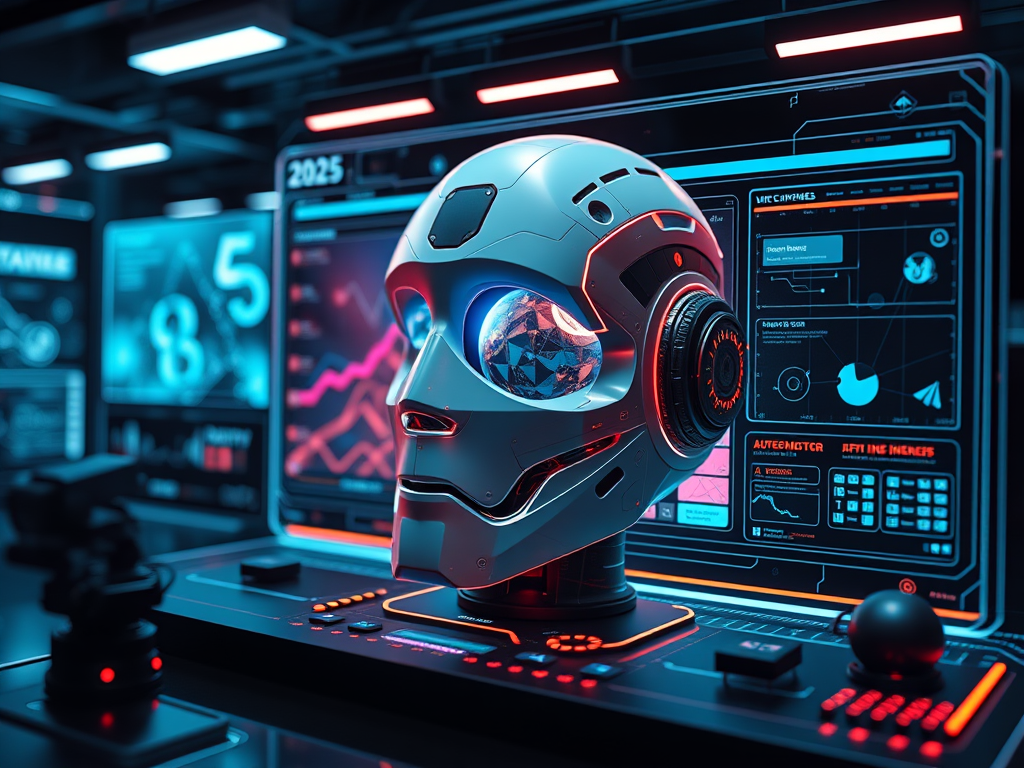
Artificial Intelligence (AI) image generators have revolutionized how we create visual content, from stunning digital art to photorealistic designs. As we move through 2025, AI image generation technology continues to evolve at a breathtaking pace. In this post, we’ll explore the latest trends, innovations, and ethical considerations shaping the future of AI image generators.
What Are AI Image Generators?
AI image generators, like Flux, MidJourney, and Stable Diffusion, use deep learning models to create images from text prompts. These tools have become essential for artists, marketers, and content creators, offering unprecedented creative freedom. In 2025, advancements in generative adversarial networks (GANs) and diffusion models have made outputs more realistic and customizable.
Key Trends in AI Image Generation for 2025
- Hyper-Realistic Outputs: AI image generators now produce visuals indistinguishable from professional photography. Tools like Runway’s Gen-3 offer enhanced detail, lighting, and texture control, making them ideal for commercial use.
- Real-Time Editing: New features allow users to edit images in real time, adjusting elements like lighting or composition with simple prompts. This is a game-changer for graphic designers.
- Ethical AI Frameworks: With concerns about copyright and bias, companies are implementing stricter ethical guidelines. Tools now include watermarking and transparency features to address ownership issues.
- Integration with AR/VR: AI-generated images are increasingly used in augmented reality (AR) and virtual reality (VR) environments, creating immersive experiences for gaming and marketing.
How AI Image Generators Are Transforming Industries
- Marketing: Brands use AI to create personalized ad visuals instantly, reducing costs and production time.
- Entertainment: Film studios leverage AI for concept art and storyboarding, streamlining pre-production.
- E-Commerce: Retailers generate product mockups, enhancing online shopping experiences.
Challenges and Ethical Considerations
Despite their potential, AI image generators face challenges. Copyright disputes over training data remain a hot topic, with ongoing legal battles shaping the industry. Additionally, the risk of deepfakes and misinformation requires robust detection systems. In 2025, developers are prioritizing ethical AI, ensuring transparency and accountability.
What’s Next for AI Image Generators?
The future looks bright, with AI tools becoming more accessible and user-friendly. Expect advancements in cross-platform integration, allowing seamless use across devices. Additionally, AI models will likely incorporate multimodal inputs, combining text, voice, and sketches for even more precise outputs. Ready to explore AI image generators? Try tools like Republiclabs.ai or Stable Diffusion to unleash your creativity. Stay tuned for more updates on AI’s role in shaping the visual world!
Leave a Reply