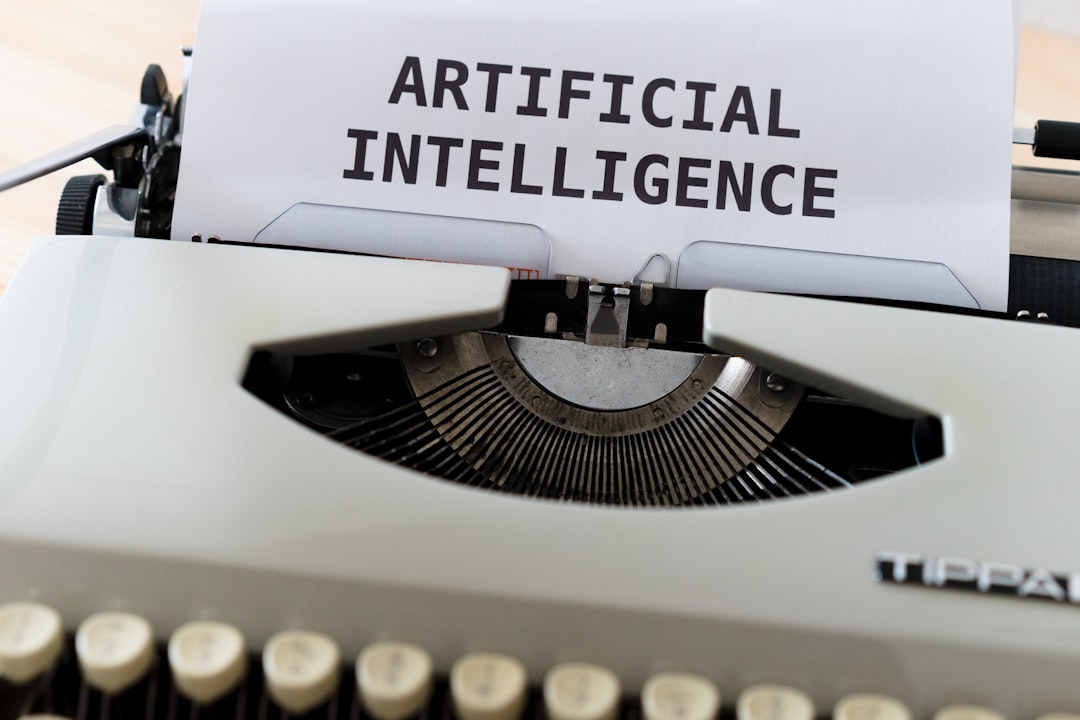
Artificial Intelligence (AI) represents a technological revolution transforming our world. AI involves machines, especially computer systems, simulating human intelligence processes including learning, reasoning, problem-solving, perception, and language understanding. Though AI research began decades ago, recent years have seen exponential growth in its applications and capabilities.
Today, AI is no longer confined to science fiction but actively influences our daily lives. AI’s importance is profound, having integrated into sectors from healthcare to finance and becoming fundamental to our technological infrastructure. While AI offers unprecedented potential to enhance human life, it also presents significant ethical and societal challenges that require careful consideration.
This article examines machine learning breakthroughs, natural language processing advancements, and AI’s transformative impact across various industries.
Key Takeaways
- AI is rapidly evolving, with significant breakthroughs in machine learning and natural language processing.
- Healthcare and autonomous vehicles are key sectors benefiting from AI advancements.
- Ethical considerations are crucial in the development and deployment of AI technologies.
- AI is transforming business, marketing personalization, financial services, and cybersecurity.
- The future of AI includes expanded roles in robotics and enhanced integration across industries.
Breakthroughs in Machine Learning
Machine learning, a subset of AI, has experienced remarkable breakthroughs that have propelled the field forward. At its core, machine learning involves the development of algorithms that enable computers to learn from and make predictions based on data. One of the most significant advancements in this area has been the rise of deep learning, which utilizes neural networks to process vast amounts of information.
This approach has led to significant improvements in tasks such as image recognition, speech recognition, and even game playing. We have witnessed machines outperforming humans in complex games like chess and Go, showcasing the incredible potential of these technologies. Moreover, the accessibility of large datasets and increased computational power have fueled these advancements.
As we continue to gather more data from various sources—social media, sensors, and online transactions—machine learning algorithms become more sophisticated and accurate. This has opened up new avenues for innovation across industries. For instance, in finance, machine learning models are now used for fraud detection and risk assessment, while in agriculture, they help optimize crop yields through predictive analytics.
The implications of these breakthroughs are vast, and as we harness the power of machine learning, we are only beginning to scratch the surface of what is possible.
Advancements in Natural Language Processing

Natural language processing (NLP) is another area where AI has made significant strides. NLP focuses on the interaction between computers and human language, enabling machines to understand, interpret, and respond to text or speech in a way that is both meaningful and contextually relevant. Recent advancements in NLP have been driven by deep learning techniques and large-scale language models like GPT-3.
These models have demonstrated an impressive ability to generate coherent text, answer questions, and even engage in conversations that mimic human-like responses. As we explore the applications of NLP, we see its impact across various domains. In customer service, chatbots powered by NLP can handle inquiries efficiently, providing instant support to users while reducing operational costs for businesses.
In content creation, AI-driven tools assist writers by generating ideas or even drafting articles based on specific prompts. Furthermore, NLP plays a crucial role in sentiment analysis, allowing companies to gauge public opinion about their products or services through social media monitoring. The advancements in this field not only enhance user experiences but also empower organizations to make data-driven decisions based on linguistic insights.
The Rise of AI in Healthcare
The integration of AI into healthcare represents one of the most promising applications of this technology. As we navigate through an era marked by rapid advancements in medical science, AI is emerging as a powerful ally in improving patient outcomes and streamlining healthcare processes. From diagnostic tools that analyze medical images to predictive analytics that identify potential health risks, AI is transforming how we approach patient care.
For instance, algorithms can now detect anomalies in X-rays or MRIs with remarkable accuracy, often surpassing human radiologists. Moreover, AI’s ability to analyze vast amounts of patient data enables personalized treatment plans tailored to individual needs. By leveraging machine learning algorithms, healthcare providers can identify patterns in patient histories and recommend interventions that are more likely to succeed.
This shift towards precision medicine not only enhances treatment efficacy but also reduces costs associated with trial-and-error approaches. As we continue to explore the potential of AI in healthcare, it is essential for us to consider the ethical implications surrounding data privacy and the need for transparency in AI-driven decision-making processes.
AI’s Impact on Business and Industry
| Date | News Title | Source | Key Metric/Impact | Summary |
|---|---|---|---|---|
| 2024-06-10 | New AI Model Achieves 90% Accuracy in Medical Imaging | TechCrunch | 90% accuracy in detecting diseases | Researchers developed an AI model that significantly improves diagnostic accuracy in medical imaging, potentially reducing misdiagnosis rates. |
| 2024-06-08 | AI Chatbot Handles 1 Million Conversations Daily | Wired | 1 million daily interactions | A leading AI chatbot platform reported handling over one million conversations per day, showcasing scalability and user engagement. |
| 2024-06-05 | Breakthrough in AI Energy Efficiency | MIT News | 30% reduction in energy consumption | New algorithms reduce the energy consumption of AI training by 30%, making AI development more sustainable. |
| 2024-06-03 | AI-Powered Language Translation Hits 98% Accuracy | BBC Technology | 98% translation accuracy | Advancements in AI language models have pushed translation accuracy to 98%, improving cross-lingual communication. |
| 2024-06-01 | AI Ethics Guidelines Released by Global Consortium | Reuters | Framework adopted by 50+ organizations | A global consortium released new AI ethics guidelines aimed at responsible AI development and deployment, adopted by over 50 organizations worldwide. |
In the business landscape, AI is revolutionizing operations across various sectors. Companies are increasingly adopting AI-driven solutions to enhance efficiency, reduce costs, and improve customer experiences. From supply chain management to marketing strategies, AI technologies are enabling organizations to make informed decisions based on real-time data analysis.
For instance, predictive analytics can forecast demand trends, allowing businesses to optimize inventory levels and minimize waste. Furthermore, AI-powered automation is reshaping traditional workflows by taking over repetitive tasks that once consumed valuable human resources. This shift not only frees up employees to focus on more strategic initiatives but also enhances productivity across the board.
As we embrace these changes, it is crucial for us to recognize the importance of upskilling our workforce to adapt to an increasingly automated environment. By fostering a culture of continuous learning and innovation, businesses can harness the full potential of AI while ensuring that their employees remain relevant in a rapidly evolving job market.
Ethical Considerations in AI Development

As we advance further into the realm of artificial intelligence, ethical considerations must take center stage in our discussions about its development and deployment. The rapid pace at which AI technologies are evolving raises important questions about accountability, bias, and transparency. For instance, algorithms trained on biased data can perpetuate existing inequalities and lead to unfair outcomes in areas such as hiring practices or law enforcement.
It is imperative for us to address these issues proactively by implementing robust frameworks that promote fairness and inclusivity. Moreover, as AI systems become more autonomous, we must grapple with questions surrounding accountability—who is responsible when an AI system makes a mistake? Establishing clear guidelines for accountability will be essential as we integrate AI into critical decision-making processes across various sectors.
Additionally, transparency in AI algorithms is vital for building trust among users and stakeholders. By ensuring that AI systems are explainable and understandable, we can foster a sense of confidence in their capabilities while mitigating potential risks associated with their use.
AI’s Role in Autonomous Vehicles
The development of autonomous vehicles represents one of the most exciting applications of artificial intelligence today. As we witness advancements in self-driving technology, it becomes clear that AI plays a pivotal role in enabling vehicles to navigate complex environments safely and efficiently. Through a combination of sensors, cameras, and machine learning algorithms, autonomous vehicles can interpret their surroundings and make real-time decisions based on a multitude of factors.
The potential benefits of autonomous vehicles extend beyond mere convenience; they promise to enhance road safety by reducing human error—the leading cause of traffic accidents. By leveraging AI’s ability to process vast amounts of data quickly and accurately, self-driving cars can respond to changing conditions more effectively than human drivers. However, as we embrace this technology, it is essential for us to consider the regulatory frameworks needed to ensure safety standards are met while addressing public concerns about privacy and security.
The Future of AI in Robotics
As we look ahead to the future of artificial intelligence in robotics, we envision a world where intelligent machines work alongside humans to enhance productivity and improve quality of life. The integration of AI into robotics has already begun transforming industries such as manufacturing and logistics by automating repetitive tasks with precision and efficiency. Collaborative robots—often referred to as cobots—are designed to work alongside human workers safely and effectively.
In addition to industrial applications, we see immense potential for AI-driven robotics in areas such as elder care and rehabilitation. Robots equipped with advanced AI capabilities can assist individuals with mobility challenges or provide companionship for seniors living alone. As we continue to innovate in this space, it is crucial for us to prioritize ethical considerations surrounding human-robot interactions and ensure that these technologies are developed with empathy and respect for human dignity.
AI and Personalization in Marketing
In the realm of marketing, artificial intelligence has revolutionized how businesses engage with consumers by enabling hyper-personalization at scale. By analyzing vast amounts of consumer data—such as browsing behavior, purchase history, and social media interactions—AI algorithms can deliver tailored content and recommendations that resonate with individual preferences. This level of personalization not only enhances customer experiences but also drives higher conversion rates for businesses.
Moreover, AI-powered tools allow marketers to optimize their campaigns in real-time by analyzing performance metrics and adjusting strategies accordingly. This agility enables companies to stay ahead of trends while ensuring that their messaging remains relevant to target audiences. As we embrace these advancements in marketing technology, it is essential for us to strike a balance between personalization and privacy—ensuring that consumers feel comfortable sharing their data while benefiting from tailored experiences.
AI’s Influence on Financial Services
The financial services industry has been significantly impacted by artificial intelligence as institutions seek innovative ways to enhance customer experiences while managing risk effectively. From algorithmic trading strategies that analyze market trends at lightning speed to chatbots providing instant customer support—AI technologies are reshaping how financial services operate. By leveraging machine learning algorithms for fraud detection and credit scoring, financial institutions can make more informed decisions while minimizing risks associated with financial transactions.
Additionally, robo-advisors powered by AI offer personalized investment advice based on individual risk profiles and financial goals—democratizing access to wealth management services for a broader audience. As we continue exploring these advancements within financial services, it is crucial for us to consider regulatory implications surrounding data security and consumer protection—ensuring that innovation does not come at the expense of trust.
The Intersection of AI and Cybersecurity
As artificial intelligence becomes increasingly integrated into our digital landscape, its intersection with cybersecurity presents both opportunities and challenges. On one hand, AI technologies can enhance cybersecurity measures by identifying patterns indicative of potential threats or breaches—enabling organizations to respond proactively before damage occurs. Machine learning algorithms can analyze vast amounts of network traffic data quickly—detecting anomalies that may signal malicious activity.
However, as cybercriminals also leverage AI tools for sophisticated attacks—such as phishing schemes or automated hacking attempts—we must remain vigilant against emerging threats. The arms race between cybersecurity professionals utilizing AI defenses and adversaries employing similar technologies underscores the need for continuous innovation within this field. As we navigate this complex landscape together—balancing technological advancement with security considerations—we must prioritize collaboration among stakeholders across industries to develop robust solutions that protect our digital infrastructure.
In conclusion, as we reflect on the multifaceted impact of artificial intelligence across various domains—from healthcare to finance—we recognize its transformative potential while acknowledging the ethical considerations that accompany its development. By fostering a culture of responsible innovation—prioritizing transparency and inclusivity—we can harness the power of AI to create a future where technology enhances our lives while addressing societal challenges head-on.
Recent advancements in artificial intelligence continue to reshape various industries, with a particular focus on image editing capabilities. For those interested in exploring the latest tools that simplify this process, a comprehensive resource can be found in the article titled “No Photoshop Skills? Just Use AI: The Ultimate Guide to AI Image Editing.” This article delves into how AI is revolutionizing the way we create and edit images, making sophisticated techniques accessible to everyone. You can read more about it here.
Leave a Reply