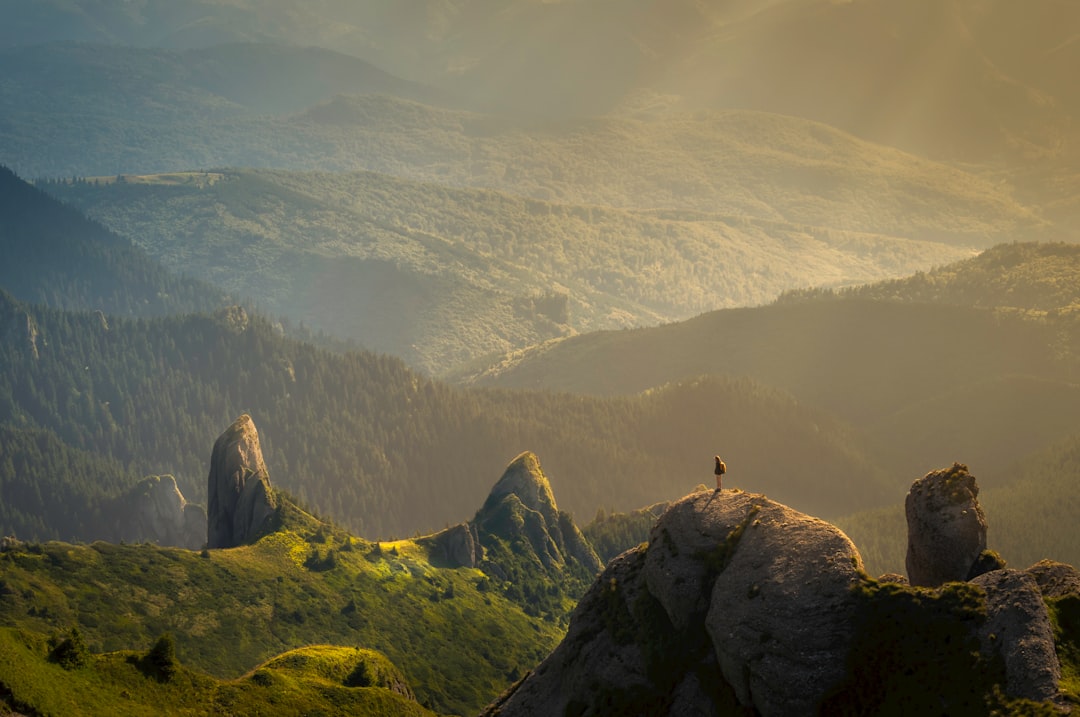
Artificial Intelligence image generation represents a transformative technology in visual content creation. This technology enables machines to produce images that can rival human-created artwork in quality and complexity. AI image generators have expanded creative possibilities across industries, producing everything from photorealistic portraits to imaginative landscapes, effectively extending the boundaries of visual expression.
The accessibility of AI image generation tools has increased significantly in recent years, attracting both professional and amateur users. This democratization raises important questions about artistic authorship, the nature of creativity, and how we define art in an age of machine-assisted creation. The field continues to evolve rapidly, with deep learning algorithms playing a central role in advancing capabilities and applications across diverse sectors including entertainment, advertising, design, and scientific visualization.
Key Takeaways
- AI image generation has evolved significantly, driven by advances in deep learning techniques.
- It offers numerous advantages, including speed, cost-effectiveness, and the ability to create highly realistic images.
- Various industries, from entertainment to marketing, are leveraging AI-generated images for innovative applications.
- Ethical concerns and technical limitations remain important challenges to address in AI image generation.
- The future of AI image generation promises continued innovation, profoundly impacting creativity and artistic expression.
The Evolution of Image Generation Technology
Reflecting on the journey of image generation technology, I find it remarkable how far we have come. In the early days, image generation was a labor-intensive process that relied heavily on manual techniques and traditional artistic skills. Artists would painstakingly create images using paint, pencils, or other physical mediums.
However, with the advent of computers and digital tools, the landscape began to shift dramatically. The introduction of graphic design software in the late 20th century marked a significant turning point, enabling artists to manipulate images with unprecedented ease. As I trace the timeline further, I see how advancements in algorithms and computing power have propelled image generation into a new era.
The development of procedural generation techniques allowed for the creation of complex visuals through mathematical algorithms. Yet, it wasn’t until the rise of machine learning and neural networks that we truly began to witness a revolution in this field. The introduction of Generative Adversarial Networks (GANs) in 2014 by Ian Goodfellow and his team marked a watershed moment.
This innovative approach allowed two neural networks to compete against each other, resulting in the generation of highly realistic images that were previously unimaginable.
How AI is Revolutionizing Image Generation
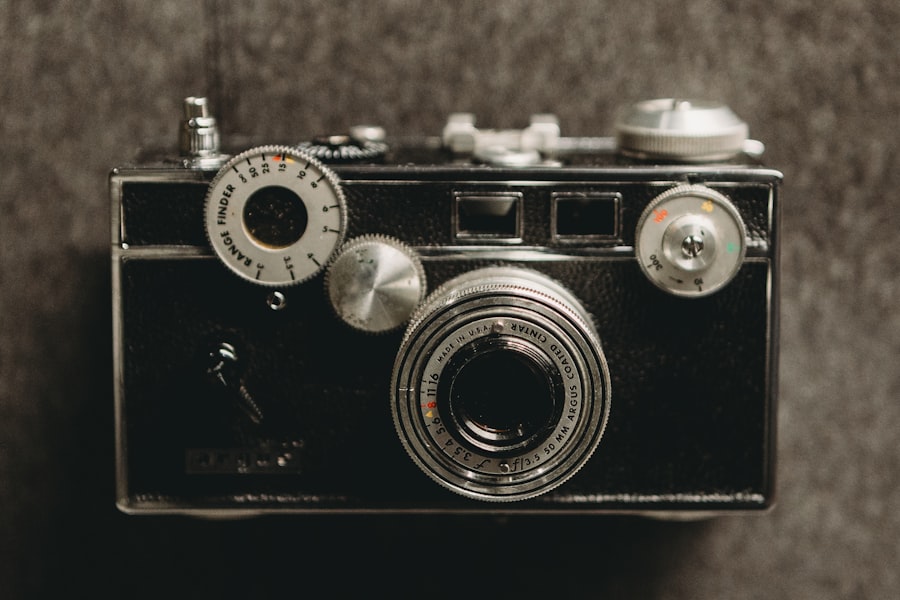
As I explore the transformative impact of AI on image generation, I am struck by its ability to democratize creativity. No longer confined to those with extensive artistic training, AI tools empower individuals from diverse backgrounds to express themselves visually. With user-friendly interfaces and intuitive controls, anyone can generate stunning images with just a few clicks.
This accessibility has led to an explosion of creativity, as people experiment with AI-generated art in ways that were once limited to traditional methods. Moreover, AI is not merely a tool for replication; it is a catalyst for innovation. By analyzing vast datasets of existing images, AI can identify patterns and styles that inspire new creations.
I find it fascinating how artists are now collaborating with AI systems to push the boundaries of their work. This partnership between human creativity and machine intelligence is giving rise to entirely new genres of art that blend traditional techniques with cutting-edge technology. As I witness this evolution, I am excited about the potential for AI to redefine artistic expression and challenge our preconceived notions of what art can be.
The Role of Deep Learning in Image Generation
Deep learning plays a pivotal role in the realm of AI image generation, and I am continually amazed by its capabilities. At its core, deep learning involves training neural networks on large datasets to recognize patterns and make predictions. In the context of image generation, these networks learn from millions of images, enabling them to understand the nuances of color, texture, and composition.
As I delve deeper into this technology, I realize that it is this ability to learn from data that sets deep learning apart from traditional algorithms. One of the most exciting aspects of deep learning in image generation is its capacity for creativity. By leveraging techniques such as style transfer and image synthesis, deep learning models can create entirely new visuals that blend different artistic styles or generate images from textual descriptions.
This opens up a world of possibilities for artists and designers alike. I find it particularly intriguing how deep learning can mimic the brushstrokes of famous painters or generate photorealistic landscapes based on simple prompts. The fusion of human creativity with machine learning is a testament to the potential for innovation in this field.
Advantages of AI Image Generation
| Metric | Description | Typical Range / Value | Unit |
|---|---|---|---|
| Model Size | Number of parameters in the AI image generation model | 100M – 12B | Parameters |
| Inference Time | Time taken to generate a single image | 0.5 – 10 | Seconds |
| Image Resolution | Output image dimensions | 256×256 to 1024×1024 | Pixels |
| Training Dataset Size | Number of images used to train the model | Millions to Billions | Images |
| FID Score | Fréchet Inception Distance – measures quality of generated images | 5 – 50 | Lower is better |
| CLIP Score | Measures alignment between generated image and text prompt | 0.2 – 0.5 | Higher is better |
| GPU Memory Usage | Memory required during inference | 4 – 24 | GB |
| Training Time | Duration to train the model from scratch | Days to Weeks | Time |
The advantages of AI image generation are manifold, and as I reflect on them, I recognize how they can benefit various stakeholders. One significant advantage is efficiency. Traditional image creation can be time-consuming and labor-intensive, requiring hours or even days to produce a single piece.
In contrast, AI can generate high-quality images in a matter of seconds. This speed not only allows artists to explore more ideas but also enables businesses to meet tight deadlines without compromising on quality. Additionally, AI image generation offers unparalleled versatility.
Whether I am looking for realistic portraits, abstract designs, or fantastical landscapes, AI can cater to my specific needs with remarkable precision. This adaptability extends beyond artistic endeavors; businesses can leverage AI-generated visuals for marketing campaigns, product designs, and social media content. The ability to quickly generate tailored images empowers organizations to stay relevant in an ever-evolving digital landscape.
Applications of AI Image Generation in Various Industries
As I explore the diverse applications of AI image generation across various industries, I am struck by its transformative potential. In the realm of entertainment, for instance, filmmakers are increasingly using AI-generated visuals for concept art and storyboarding. This technology allows them to visualize scenes before committing to expensive production processes.
Similarly, in the gaming industry, developers are harnessing AI to create immersive environments and lifelike characters that enhance player experiences. Beyond entertainment, I see how AI image generation is making waves in fields such as fashion and interior design. Designers can use AI tools to generate unique patterns or visualize clothing collections before they hit the runway.
In architecture, AI-generated renderings help architects present their ideas more effectively to clients and stakeholders. The versatility of this technology means that its applications are limited only by our imagination.
Ethical Considerations in AI Image Generation
As I navigate the exciting landscape of AI image generation, I cannot ignore the ethical considerations that accompany this technology. One pressing concern is the issue of authorship and ownership. When an AI generates an image based on existing works or styles, questions arise about who holds the rights to that creation.
Is it the programmer who developed the algorithm, the user who prompted the generation, or the original artists whose work inspired it? These questions challenge our traditional notions of creativity and intellectual property. Moreover, there are concerns about the potential misuse of AI-generated images.
With the ability to create hyper-realistic visuals comes the risk of misinformation and manipulation. Deepfakes and other forms of synthetic media can be used to deceive audiences or spread false narratives. As I reflect on these ethical dilemmas, I recognize the importance of establishing guidelines and regulations that ensure responsible use of AI image generation while fostering innovation.
Challenges and Limitations of AI Image Generation
Despite its many advantages, I acknowledge that AI image generation is not without its challenges and limitations. One significant hurdle is the quality control of generated images. While AI can produce stunning visuals, there are instances where outputs may lack coherence or exhibit artifacts that detract from their overall quality.
As someone who appreciates fine art, I find it essential for developers to continue refining algorithms to enhance the realism and consistency of generated images. Another limitation lies in the reliance on training data. The effectiveness of an AI model is directly tied to the quality and diversity of the data it learns from.
If an algorithm is trained predominantly on a narrow dataset, it may struggle to generate images that reflect broader cultural contexts or artistic styles. This raises concerns about representation and inclusivity within AI-generated art. As I consider these challenges, I am reminded that ongoing research and collaboration between technologists and artists are crucial for overcoming these obstacles.
Future Trends in AI Image Generation
Looking ahead, I am excited about the future trends shaping AI image generation. One notable direction is the integration of augmented reality (AR) and virtual reality (VR) technologies with AI-generated visuals. As these technologies continue to evolve, I envision immersive experiences where users can interact with AI-generated environments in real-time.
This convergence has the potential to revolutionize fields such as gaming, education, and training simulations. Additionally, advancements in natural language processing (NLP) will likely enhance the capabilities of AI image generation systems. As these models become better at understanding context and nuance in language prompts, I anticipate even more sophisticated image outputs that align closely with user intentions.
This synergy between language and visual creativity could lead to groundbreaking applications across various domains.
The Impact of AI Image Generation on Creativity and Art
As I reflect on the impact of AI image generation on creativity and art, I am struck by its dual nature: it serves as both a tool for enhancement and a source of contention within artistic communities. On one hand, AI empowers artists by providing them with new means of expression and exploration. It allows me to experiment with styles and concepts that may have been previously unattainable due to technical limitations or time constraints.
On the other hand, there are concerns about authenticity and originality in an age where machines can replicate human creativity. Some artists fear that reliance on AI could dilute the essence of artistic expression or lead to homogenization in visual culture. As I navigate these complex dynamics, I recognize that embracing AI as a collaborator rather than a replacement may be key to preserving the integrity of human creativity while harnessing its transformative potential.
The Future of Image Generation with AI
In conclusion, as I contemplate the future of image generation with AI at its helm, I am filled with optimism about its potential to reshape our creative landscape. The evolution from traditional methods to advanced machine learning techniques has already yielded remarkable results, paving the way for unprecedented opportunities across various industries. While challenges remain—particularly regarding ethics and quality control—I believe that ongoing collaboration between technologists and artists will drive innovation forward.
As we stand on the brink of this new era in visual creation, I am excited about what lies ahead: a future where human imagination intertwines seamlessly with machine intelligence to produce art that inspires and captivates audiences worldwide. The journey into this uncharted territory promises not only advancements in technology but also profound reflections on what it means to be creative in an age defined by artificial intelligence.
Leave a Reply