The digital world is evolving. It’s becoming more creative, more dynamic, and more intelligent.
At the heart of this transformation is artificial intelligence. AI is not just about data analysis or automation anymore. It’s about creativity and design.
Enter AI image generation platforms. These tools leverage AI to create stunning visuals. They’re changing the way we think about design and art.
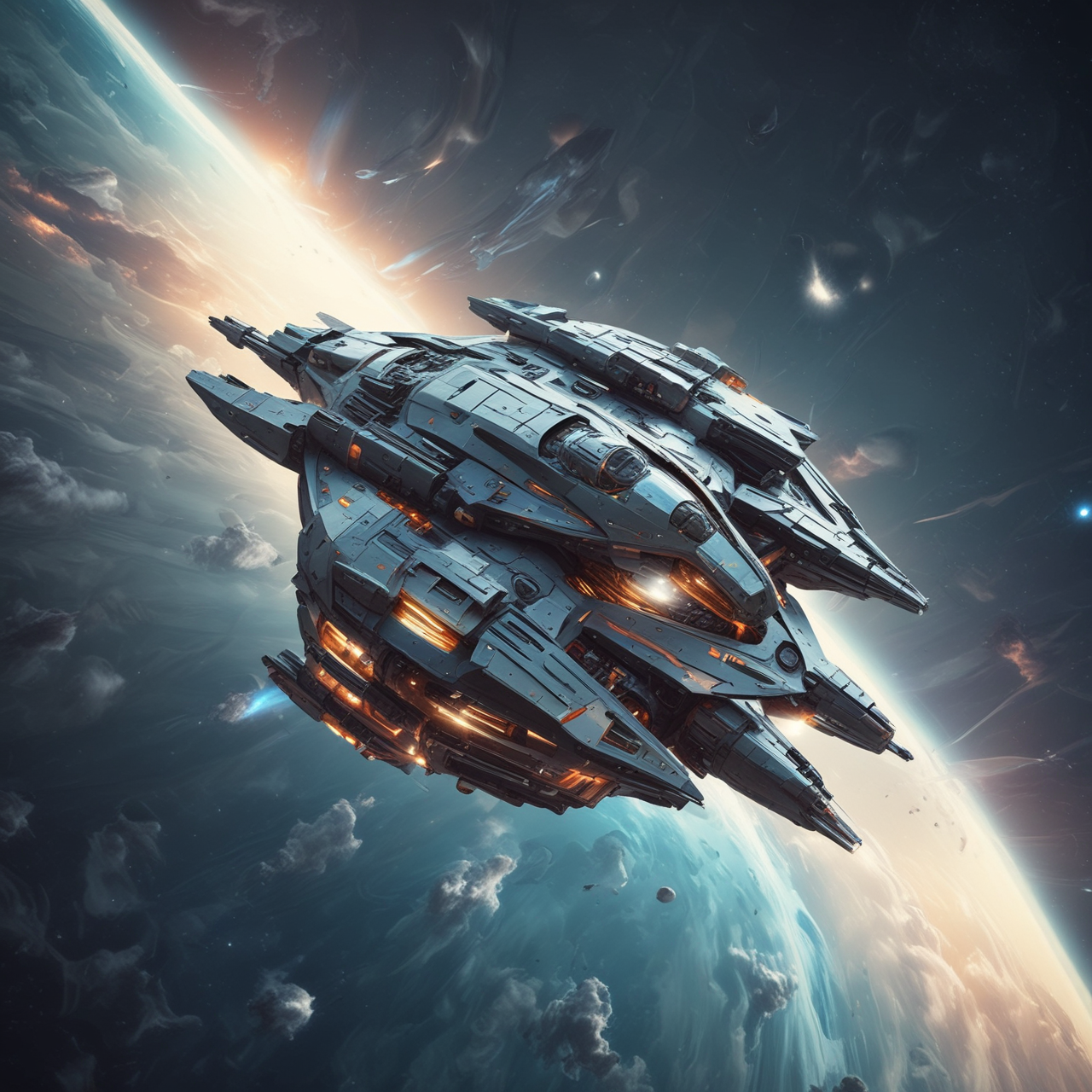
AI image generation platforms are a new breed of design tools. They use machine learning algorithms to generate images. These images can range from simple patterns to complex landscapes.
But why should you care about AI image generation? There are several reasons.
First, these platforms can save you time. Traditional design methods can be time-consuming. With AI, you can generate images in seconds.
Second, AI opens up new possibilities for creativity. It can generate images in styles that you might not have thought of. It can also learn from your preferences to create personalized designs.
Third, AI image generation platforms are becoming more accessible. You don’t need to be a tech expert to use them. Many platforms have intuitive interfaces that make it easy for anyone to create stunning images.
But with so many platforms out there, how do you choose the right one? That’s where this guide comes in.
In this comprehensive review, we’ll explore the top AI image generation platforms. We’ll look at their features, their strengths, and their weaknesses. We’ll also delve into user reviews and pricing models.
Whether you’re a digital artist, a marketer, or just a tech enthusiast, this guide is for you. By the end, you’ll have a clear understanding of which AI image generation platform is best for your needs.
So, are you ready to dive into the world of AI image generation? Let’s get started.
Understanding AI Image Generation
AI image generation is a fascinating concept. It involves using algorithms and machine learning to create images. These images can be intricate and diverse, ranging from realistic photos to abstract art.
The process relies heavily on deep learning. AI models learn from massive datasets of images. They understand shapes, colors, and styles, and then recreate them.
What is AI Image Generation?
AI image generation platforms use neural networks. These networks mimic how the human brain works in recognizing patterns. They can analyze vast amounts of data quickly.
These platforms can interpret inputs such as text or sketches. They transform these inputs into fully realized images. This capability offers vast potential for creators and designers.
Innovative AI models like GANs (Generative Adversarial Networks) are at the core of this. They can generate original art pieces and realistic images never seen before.
How AI is Transforming the Creative Industry
The impact of AI on the creative world is profound. Traditional artists are exploring digital canvases. Graphic designers are discovering new styles.
AI tools enable rapid experimentation. Artists can test various concepts in seconds. This speed enhances creativity, allowing more time for refining ideas.
The creative industry is evolving. AI is democratizing access to high-quality design tools. Even those without formal training can create stunning visuals.
These tools also open doors for new forms of collaboration. Designers from different disciplines can work together seamlessly.
The Mechanics Behind AI Image Creation
Understanding the mechanics involves knowing about datasets. AI models need vast datasets to train effectively. These datasets contain countless images across various genres.
The process starts by feeding the AI with data. The model then identifies patterns and begins generating similar visuals. Over time, the AI improves its output, enhancing accuracy and detail. This learning cycle is crucial for high-quality image generation.
The Benefits of AI Image Generation
AI image generation platforms bring numerous advantages. These tools make design work more efficient and creative. Let’s explore some key benefits.
One major advantage is time-saving. AI can create images in minutes. This is a game-changer for busy designers.
AI tools also boost creativity. They offer unique design options and inspire new ideas. This can elevate artistic projects to new heights.
Another benefit is the diversity of styles. Users can access countless design templates. This variety is appealing to artists with different tastes.
AI platforms offer seamless customization. They allow for precise adjustments to fit specific needs. This personalization can enhance the final product.
Here’s a quick list summarizing these benefits:
- Save time on design processes
- Inspire enhanced creativity
- Offer diverse styles and templates
- Provide customization and personalization options
Time Efficiency and Enhanced Creativity
Time efficiency is a major benefit. Traditional art processes can be time-consuming. AI design tools can reduce this drastically.
For designers working with tight deadlines, this is crucial. The faster you create, the more projects you can handle. This efficiency is transforming design workflows.
Increased efficiency frees up time. You can focus on creativity rather than repetitive tasks. This shift enhances the quality of creative outputs.
AI image generation also pushes creative boundaries. The technology offers endless possibilities. Designers can explore ideas they never imagined before.
Customization and Style Variety
Customization is another key feature of AI design tools. These platforms allow extensive personalization. Designers can tweak images to suit unique requirements.
Variety in styles is also significant. AI tools offer different themes and templates. Users can choose from realistic, abstract, or stylized looks.
Such variety caters to diverse aesthetic preferences. Whether creating for clients or personal projects, there are options for everyone. This makes AI platforms highly flexible in the creative process.
The customization capabilities ensure that every design is unique. Designers can add personal flair, making each work stand out.
Top AI Image Generation Platforms: Features and Reviews
The market is flooded with AI image generation platforms. Each offers unique features and benefits. In this section, we’ll review six top platforms in detail.
Republiclabs.ai: Overview and User Experience
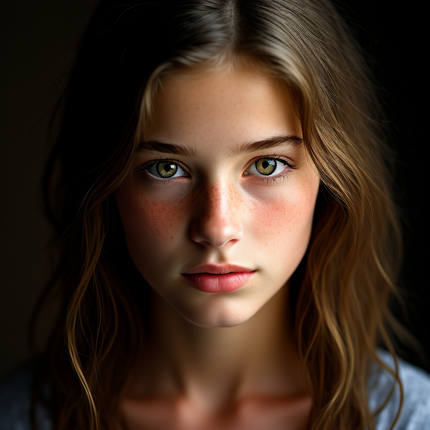
RepublicLabs.ai stands out as a dynamic and innovative platform for AI-driven image generation, offering a robust suite of tools that cater to artists, designers, marketers, and hobbyists alike. Its core strength lies in aggregating the latest and most advanced AI image models, such as HiDream, Flux, Stable Diffusion, and others, ensuring users have access to cutting-edge technology. The platform’s commitment to continual updates keeps it at the forefront of generative AI, integrating new models and enhancements to deliver high-quality, diverse outputs. This focus on staying current makes RepublicLabs.ai a go-to choice for creators seeking state-of-the-art tools without needing to navigate multiple platforms.
One of the platform’s standout features is its multi-model generation capability, allowing users to generate images from a single prompt across multiple AI models simultaneously. This parallel generation is a game-changer, enabling users to quickly compare results from different models to find the style or quality that best matches their vision. For example, a user can input a prompt like “a futuristic cityscape at sunset” and instantly see outputs from Flux, Nvidia Sana, Red Panda or other models, streamlining the creative process. This efficiency is particularly valuable for professionals who need rapid prototyping or hobbyists experimenting with diverse artistic styles, from photorealistic to abstract.
RepublicLabs.ai emphasizes creative freedom by minimizing censorship and restrictions, only adhering to built-in filters inherent to certain models that cannot be disabled. This unfiltered approach empowers users to explore bold, imaginative concepts, including NSFW or mature themes, without conventional boundaries. While some models may have unavoidable limitations, the platform’s open-source foundation and lack of additional content restrictions make it a haven for creators pushing the limits of digital expression. This balance of freedom and model-specific constraints ensures users can explore daring ideas while respecting the technical boundaries of the AI.
Affordability is another key strength. RepublicLabs.ai offers a flexible pricing model, including a one-time $10 credit pack for 300 credits that never expire, ideal for casual users or those hesitant to commit to subscriptions. Monthly subscriptions are available for regular creators, providing cost-effective access to unlimited generation. New users receive 10 free credits upon sign-up, a generous offer that allows ample exploration of the platform’s capabilities without upfront costs. This accessibility, combined with no requirement for a credit card to start, lowers the barrier to entry, making RepublicLabs.ai inclusive for creators of all levels.
Here’s what users love about Republiclabs.ai:
- Intuitive and user-friendly interface
- Minimal learning curve
- Clean and efficient design layout
Midjourney: Quality of Output and Styles
Midjourney is known for the exceptional quality of its output. The images created are vivid and lifelike, rivaling human artistry. This is particularly impressive in realistic image generation.
The diversity in styles is another highlight. Users can choose from a wide range of artistic styles, from classic to contemporary. This flexibility adds great value to creative projects.
User reviews often mention the platform’s superior image quality. The output is consistently high, making it a preferred choice for professionals.
Notable aspects of Midjourney:
- High-quality, realistic image output
- Extensive style options
- Ideal for professional-grade projects
Leonardo.ai: Pricing and Value for Money
Leonardo.ai sands out with its competitive pricing. It offers various subscription models, catering to different budgets. This flexibility makes it accessible to a wide audience.
The platform’s pricing structure is transparent. Users appreciate the value for money it provides, given its extensive features. These include advanced tools often found in pricier alternatives.
Additionally, Leonardo.ai occasionally offers discounts and promotions. This makes it an attractive option for cost-conscious users.
Key points about Leonardo.ai’s pricing:
- Affordable subscription models
- Transparent pricing structure
- Offers occasional discounts
OpenAI GPT-4o: Machine Learning and Image Improvement
OpenAI GPT-4o excels in leveraging machine learning for image enhancement. The technology continuously improves image output quality over time. As you use the platform more, it becomes more skilled.
This platform also adapts to user preferences. By learning from past interactions, it creates images tailored to individual styles. This level of personalization is a significant advantage.
Users consistently commend its learning algorithms. These algorithms ensure the platform evolves and improves with continued use.
Highlights of OpenAI’s machine learning:
- Continuous image quality improvements
- Adapts to user preferences
- Personalized image outputs
Adobe Firefly: Community Support and Scalability
Adobe Firefly is noted for its robust community support. Users can access forums, tutorials, and user groups. These resources enrich user experience and problem-solving.
The platform can also scale easily to meet large project demands. Whether for a solo task or a team project, it handles increasing workloads efficiently.
Users praise its active community, which fosters collaboration and knowledge sharing. This culture of support adds significant value.
Key features of Adobe Firefly:
- Strong community support
- Abundant learning resources
- High scalability for projects
Meta AI: Integration and Compatibility
Meta AI is renowned for its seamless integration capabilities. It is compatible with various software and tools, enhancing your workflow. This is critical for creators using multiple platforms.
Its compatibility extends to popular design software. This allows users to import and export designs effortlessly. Such flexibility is highly valued in collaborative work environments.
Users often mention the platform’s ease of integration. It enhances productivity by streamlining design processes across different systems.
Noteworthy aspects of Meta:
- Seamless software integration
- Broad compatibility with design tools
- Facilitates smooth collaborative workflows
Ethical and Legal Considerations
AI image generation raises important ethical and legal questions. As AI technology advances, these concerns become more pressing. They revolve around copyright, ethical use, and accessibility.
Copyright Issues with AI-Generated Images
Copyright laws weren’t designed with AI in mind. Thus, AI-generated images sit in a legal gray area. It’s unclear who holds rights to AI-created images—the user, the tool developer, or the AI itself.
Many platforms address this by granting usage rights to users. However, these are often non-exclusive licenses. This means others may use or even sell similar images created by the same AI.
Transparency is crucial in resolving these issues. Users must understand the scope and limits of their image rights. This clarity helps avoid legal complications.
Ethical Use and Accessibility
Ethical considerations extend beyond legalities. AI in art should promote responsible and fair use. This includes ensuring content does not infringe on others’ rights or promote harmful stereotypes.
Equally important is the accessibility of these tools. AI platforms must cater to diverse user needs, including those with disabilities. This enhances inclusivity and democratizes art creation.
Developers must prioritize these ethical considerations. Ensuring fair use and broad accessibility fortifies the positive impact of AI in art. This aligns technology with user needs and societal values.
The Future of AI in Image Generation
The future of AI in image generation is both exciting and unpredictable. As AI evolves, its capabilities in art and design continue to expand. This evolution promises innovative tools and creative possibilities.
Upcoming Developments in AI Image Generation
In the coming years, AI image generation is set to become more advanced. Algorithms will become better at mimicking human creativity. This will result in images that are nearly indistinguishable from human-crafted art.
Developers are focusing on increasing AI’s understanding of context and emotion. This means future AI tools will create images with deeper emotional depth. Such tools will also offer more personalized outputs based on user preferences.
AI’s efficiency will also improve. Increased speed and accuracy will allow users to generate high-quality images faster. This will be a significant boon for industries reliant on rapid image production.
The Role of AI in Democratizing Art and Design
AI plays a crucial role in democratizing art and design. By removing barriers, it allows more people to engage in creative pursuits. AI design tools make professional-quality art accessible to amateur creators.
Users from diverse backgrounds can now contribute to the art world. This broadens cultural representation and fosters inclusivity. AI tools empower those without formal training to explore artistic expression.
Additionally, AI offers a new medium for experienced artists. It provides a fresh avenue to experiment with styles and techniques. This evolution enriches the art community and promotes continuous growth and exploration.
Conclusion: Choosing the Right AI Image Generation Platform
Selecting the best AI image generation platform can seem overwhelming. With so many options available, each boasts unique features and benefits. Understanding your specific needs is crucial to making the right choice.
Consider what you value most in a tool. Is it ease of use, quality of output, or variety of styles? Think about the kind of images you need and how frequently you’ll generate them.
Pricing is another key factor. Evaluate the cost against the features offered. It’s important to ensure that the tool you choose provides good value for money.
Finally, take advantage of trial versions where available. Testing platforms firsthand lets you gauge their user experience and fit for your projects. Carefully considering these elements will guide you to the platform best suited to your creative needs.
Summary of Key Points
AI image generation platforms offer various benefits, from time efficiency to enhanced creativity. They vary in user experience, image quality, and pricing. Understanding each platform’s strengths helps tailor your choice to your needs.
Customization and compatibility with other design tools can elevate your creative work. Balancing these factors ensures you leverage the optimal tool for your projects. An informed decision leads to more satisfying results.
Final Recommendations
When choosing an AI image generation tool, align it with your goals. Consider what aspects are critical for your design work. Evaluate different platforms and select one that fits within your budget.
Always explore free trials before committing. These allow for hands-on experience and confident decision-making. This approach will help maximize the benefits AI tools bring to your creative endeavors.
Leave a Reply