Generating video content has traditionally been a resource-intensive endeavor, often requiring specialized software, technical expertise, and significant time investment. However, the advent of artificial intelligence (AI) has begun to democratize this process, offering tools that streamline video creation for a broader audience. This article explores the capabilities and implications of “free AI video generators,” examining their functionality, applications, and the broader landscape of AI-powered media creation.
Video production has undergone a series of significant technological shifts throughout its history. From early mechanical systems to complex digital workstations, each evolution has aimed to make the creation process more efficient and accessible. AI represents a new frontier in this progression.
Traditional Video Production Pipelines
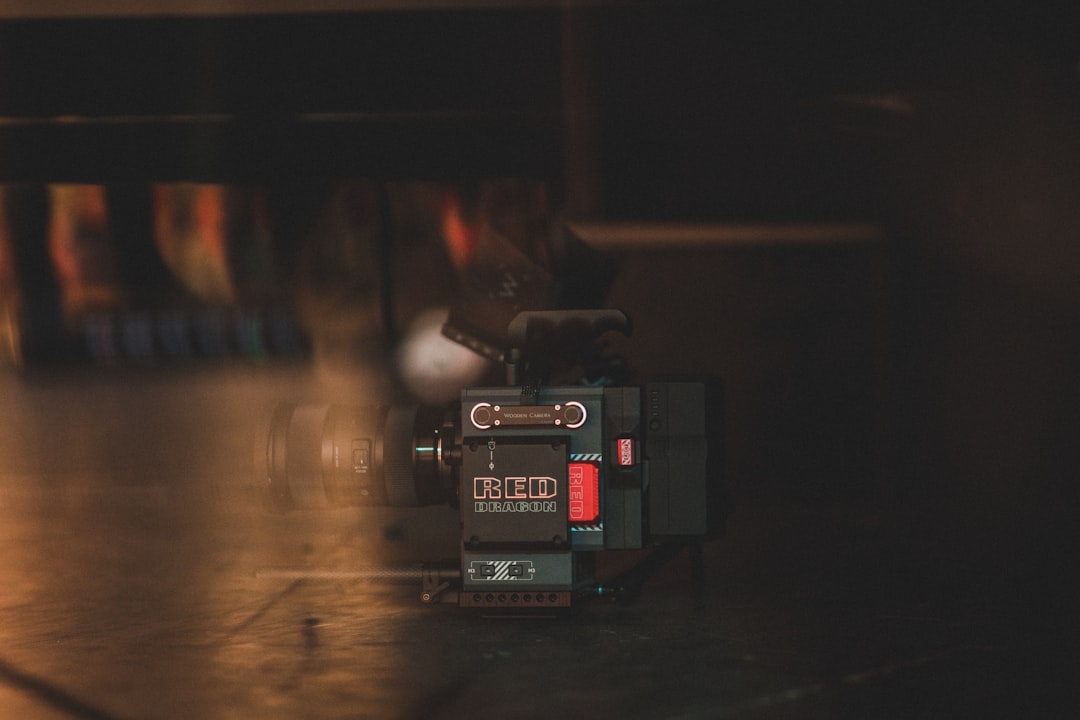
Historically, creating a video involved distinct stages: scripting, storyboarding, shooting, editing, and post-production. Each stage demanded specific skills and often multiple human operators. For instance, a professional video project might involve screenwriters, directors, camerapersons, audio engineers, and dedicated editors, each contributing to their specialized domain. The cost and logistical complexity of this model often limited high-quality video production to well-funded organizations and professional studios.
The Rise of Digital Tools
The introduction of digital video cameras and non-linear editing software (NLEs) in the late 20th century significantly reduced the barriers to entry. Tools like Adobe Premiere Pro and Final Cut Pro allowed individuals to perform many of the tasks previously requiring specialized personnel. This shift democratized filmmaking to some extent, enabling independent creators and smaller businesses to produce higher volumes of video content. However, even with these tools, a foundational understanding of visual storytelling, editing principles, and software operation remained essential.
AI as a Catalyst for Change
AI video generators represent a more profound paradigm shift. Instead of merely providing tools for humans to operate, AI can now, to varying degrees, generate content autonomously. This moves beyond assistance to active creation, fundamentally altering the traditional roles and skillsets required. The implication is that individuals and organizations without extensive video production experience can now conceptualize and produce video, acting as a force multiplier for content creation.
Understanding Free AI Video Generators
The term “free AI video generator” covers a range of tools, from basic text-to-video converters to more sophisticated platforms offering limited features without charge. It is important to understand the capabilities and limitations inherent in a “free” offering.
Core Functionality
At their core, these generators typically translate input, such as text descriptions, images, or audio, into video sequences. The AI models underpinning these tools have been trained on vast datasets of existing video, images, and text, enabling them to recognize patterns, understand context, and generate new content that adheres to established visual and narrative conventions.
Text-to-Video Synthesis
Perhaps the most common entry point, text-to-video synthesis allows users to input a written script or description, and the AI will attempt to generate a corresponding video. This can range from simple animated text overlays to more complex scenes with virtual characters and environments. The quality and sophistication of the generated video are highly dependent on the AI model’s training data and the complexity of the input prompt. Think of it as painting with words; the brush strokes are dictated by the AI’s understanding of your linguistic cues.
Image-to-Video Conversion
Some generators can animate static images or sequences of images to create a video. This can involve adding camera movements, subtle animations to elements within the image, or seamlessly transitioning between multiple images to form a narrative flow. This functionality is particularly useful for creators who possess a library of static visual assets but lack the means to animate them conventionally.
Audio-to-Video Synchronization
A more advanced feature involves syncing generated video content with pre-recorded audio, often voiceovers. The AI can analyze the cadence and intonation of the speech and generate visuals that complement the spoken narrative. This is crucial for explainer videos, presentations, and other content where a clear audio-visual connection is paramount.
What “Free” Entails
It’s essential to critically evaluate what “free” means in the context of these tools. Often, “free” refers to a freemium model, where basic functionalities are offered without cost, but advanced features, higher resolution outputs, longer video durations, or commercial usage rights require a paid subscription.
Feature Limitations
Free versions typically come with specific constraints. These might include:
- Watermarks: Output videos may bear the branding or watermark of the generating platform.
- Resolution and Quality: Lower video resolutions (e.g., 720p instead of 1080p or 4K) are common in free tiers.
- Video Length: Free accounts often have strict limits on the duration of videos that can be generated.
- Asset Library Access: Access to a limited selection of stock media, music, and voice styles.
- Processing Speed: Slower rendering times compared to premium tiers.
- Commercial Use Restrictions: Videos generated under a free plan may not be licensed for commercial distribution.
Understanding these limitations is crucial for managing expectations and determining whether a free tool can adequately meet a specific need. It’s like being offered a sample of a gourmet meal; it gives you a taste, but the full experience requires a commitment.
Applications and Use Cases
The accessibility offered by free AI video generators opens up a wide array of practical applications across various sectors. These tools empower individuals and small businesses to create video content that might otherwise be beyond their financial or technical reach.
Content Marketing
For businesses, video content is increasingly vital for engaging audiences and driving conversions. Free AI video generators allow small businesses and solo entrepreneurs to produce marketing videos without significant overhead.
Social Media Content
Short, engaging videos perform exceptionally well on platforms like Instagram, TikTok, and Facebook. AI generators can quickly produce snippets, animated ads, product showcases, or promotional teasers that maintain a consistent brand aesthetic. This accelerates content cycles and allows for more frequent brand touchpoints.
Product Demos and Explainer Videos
Instead of hiring animators or dedicated video teams, companies can use AI to create straightforward product demonstrations or explanatory videos. These videos can detail features, illustrate usage, or clarify complex concepts in an easily digestible visual format. The AI can convert written descriptions of product functions into visual sequences, making the “show, don’t tell” principle easier to implement.
Educational Content Creation
Educators, trainers, and e-learning platforms can leverage AI video generators to enrich their instructional materials.
Lecture Summaries and Introductions
AI can create animated summaries of lectures or introductory videos for new modules, making complex information more accessible and engaging. This can transform dense text into dynamic visual overviews.
Interactive Learning Modules
Instead of static text or image-based quizzes, educators can generate short video scenarios or explanations to reinforce learning points. This adds a layer of interactivity and caters to different learning styles.
Personal and Creative Projects
Beyond commercial applications, these tools are invaluable for individual creators and hobbyists.
Storytelling and Animation
Aspiring animators or storytellers can use AI to bring their narratives to life without needing advanced animation software or skills. This can serve as a prototyping tool for cinematic ideas or a means for personal expression.
Vlogs and Presentations
For personal vlogs or presentations, AI can assist in generating dynamic backgrounds, transitions, or visual aids that enhance the overall production quality. Imagine transforming a dry PowerPoint presentation into a visually appealing video narrative with a few text prompts.
News and Information Distribution
The rapid dissemination of information can be enhanced by AI-generated videos, particularly for quick updates or explainers.
Short News Briefs
News organizations or citizen journalists can employ AI to create concise video summaries of breaking news or trending topics, allowing for faster content production and distribution across platforms.
Data Visualization
AI generators can convert statistical data or complex reports into easily understandable animated charts, graphs, and infographics within a video format, making data more engaging for a general audience.
How to Effectively Use AI Video Generators
While seemingly autonomous, getting the best results from a free AI video generator still requires user guidance and strategic input. Think of the AI as a highly skilled apprentice; it needs clear instructions to produce a masterpiece.
Crafting Effective Prompts
The quality of the input prompt directly correlates with the quality of the output video. Vague instructions lead to generic results.
Be Specific and Detailed
Instead of “create a video about nature,” try “generate a 30-second video of clear mountain streams flowing through a vibrant green forest, with gentle sunlight filtering through the trees, accompanied by ambient sounds of birdsong.” More detail narrows the AI’s interpretation and leads to a more refined output.
Define Style and Tone
Specify the desired aesthetic—e.g., “minimalist animation,” “cinematic,” “comic book style,” or “corporate professional.” Also, convey the emotional tone—e.g., “upbeat and inspiring,” “calm and reflective,” “urgent and dramatic.”
Include Technical Specifications
If the tool supports it, specify camera angles (e.g., “close-up,” “wide shot”), transitions (e.g., “fade,” “cut”), or specific elements to include (“a futuristic city skyline,” “a bustling marketplace”).
Iteration and Refinement
Rarely will the first generation be perfect. AI video generation is often an iterative process.
Review and Edit
After the initial generation, meticulously review the video. Assess the visual accuracy, pacing, transitions, and audio synchronization. Identify areas that deviate from your vision.
Provide Targeted Feedback
Many advanced AI tools allow for specific feedback or further prompts to refine certain sections. For example, instead of regenerating the entire video, you might prompt, “change the background of the third scene to a desert landscape” or “make the character’s expression more surprised in frame 15.”
Experiment with Variations
Don’t be afraid to try different prompts or slightly alter existing ones. Minor changes in wording can sometimes yield significantly different and potentially better results. This experimentation is key to understanding the AI’s nuances.
Integrating Other Assets
While AI generates core content, integrating human-created assets can significantly elevate the final product.
Custom Voiceovers
While AI voice generation is improving, a human voiceover often adds a layer of authenticity and emotional nuance. Record your own voice or hire a voice actor for higher impact.
Brand-Specific Graphics and Music
Embed custom logos, brand colors, and unique musical scores to maintain brand consistency. Many AI tools allow for asset uploads to be incorporated into the generated video.
Supplementary Footage
For complex sequences, combine AI-generated clips with existing footage or stock videos to fill gaps or enhance specific moments. The AI can act as a powerful scene builder, and you, the editor, become the orchestrator.
The Limitations and Challenges
| AI Video Generator | Free Plan Features | Video Length Limit | Watermark | Export Quality | Templates Available | Usage Limit |
|---|---|---|---|---|---|---|
| Lumen5 | Access to basic templates, 720p exports | Up to 5 minutes | Yes | 720p | 100+ | 5 videos/month |
| InVideo | Access to 4000+ templates, 720p exports | Up to 15 minutes | Yes | 720p | 4000+ | 60 videos/month |
| Animoto | Basic templates, 720p exports | Up to 10 minutes | Yes | 720p | 50+ | Unlimited videos |
| Wave.video | Access to 200+ templates, 720p exports | Up to 15 minutes | Yes | 720p | 200+ | 15 videos/month |
| Clipchamp | Basic editing tools, 480p exports | Up to 5 minutes | Yes | 480p | Limited | Unlimited videos |
Despite their utility, free AI video generators, especially in their current iteration, come with a set of limitations and challenges that users must acknowledge. These tools are powerful, but they are not magic wands.
Quality and Artistic Nuance
While AI can generate visually plausible videos, achieving true artistic nuance and depth remains a significant hurdle.
Uncanny Valley Effect
Characters generated by AI can sometimes fall into the “uncanny valley,” appearing almost human but with subtle imperfections that create a sense of unease or artificiality. Facial expressions, movements, and emotional portrayals may lack genuine complexity.
Lack of Creative Intent
AI models do not possess consciousness or genuine creative intent. They operate based on statistical patterns learned from their training data. This means they can replicate styles but may struggle to invent truly novel or deeply expressive visual narratives that resonate on an emotional level. The creative spark, the unique human fingerprint, is still largely absent.
Genericity
Without highly specific prompts, AI-generated content can often appear generic or derivative, drawing heavily from the average of its training data. This can make it challenging to create truly unique or standout content using free, basic tools.
Technical and Ethical Concerns
Beyond artistic limitations, there are practical and ethical considerations associated with AI video generation.
Computational Demands
Generating video, especially high-resolution or complex animations, is computationally intensive. Even free tools rely on powerful servers. This can lead to longer processing times, especially during peak usage, and explains why free tiers often impose limitations.
Bias in Training Data
AI models are only as unbiased as the data they are trained on. If the training data contains biases (e.g., underrepresentation of certain demographics, stereotypes), the AI-generated video may inadvertently reflect and perpetuate these biases. This is a critical ethical concern requiring careful consideration from developers and users.
Copyright and Ownership
The legal landscape surrounding AI-generated content is still evolving. Questions arise about the copyright ownership of content generated by an AI, especially when based on proprietary training data. For users of free tools, understanding the terms of service regarding commercial use and intellectual property is paramount to avoid potential legal issues. Is the AI merely a tool, or is it an author? This question is still in flux.
Misinformation and Deepfakes
The ability to generate realistic video content raises concerns about its potential misuse in creating persuasive misinformation or “deepfakes.” While free tools might not produce hyper-realistic deepfakes, even less sophisticated AI-generated content can be used to manipulate narratives or spread false information. This necessitates a critical approach to consuming and disseminating AI-generated media.
The Future of AI Video Generation
The field of AI video generation is evolving rapidly, with advances occurring at an impressive pace. What seems like a limitation today may be standard functionality tomorrow.
Increased Realism and Fidelity
Expect continuous improvements in the realism of AI-generated visuals and audio. Future models will likely overcome many of the current “uncanny valley” issues, producing more natural-looking characters, more nuanced expressions, and more seamless environmental interactions. The distinction between AI-generated and human-shot footage will become increasingly blurred.
Enhanced Creative Control
As AI models become more sophisticated, they will offer users greater fine-tuning capabilities. This could include more intuitive interfaces for directorial control over camera angles, lighting, character performance, and artistic styles, moving beyond pure prompt-based generation to a more collaborative creative process.
Integration with Other AI Modalities
The convergence of AI video generation with other AI modalities, such as natural language processing for scriptwriting, music composition AI, and AI-driven virtual assistants, will create comprehensive content creation ecosystems. Imagine an AI that not only generates the video but also writes the script, composes the soundtrack, and even helps distribute the final product.
Democratization Continues
The trend towards democratizing video creation will intensify. As AI tools become more powerful and easier to use, high-quality video production will be accessible to an even wider audience, fostering an explosion of creative content from diverse sources. This will transform the entry points for storytellers and communicators.
Ethical Frameworks
As the capabilities grow, so too will the imperative for robust ethical frameworks. Development will focus on implementing safeguards against misuse, ensuring transparency about AI-generated content, and addressing intellectual property concerns. Regulation and industry standards will play a crucial role in shaping the responsible development and deployment of these technologies.
In conclusion, free AI video generators represent a significant leap forward in content creation. They offer a tangible opportunity for individuals and organizations to produce video content with unprecedented ease and speed. While understanding their current limitations and using them strategically is key, these tools are powerful enablers, acting as a digital chisel for anyone wishing to sculpt their ideas into moving images. The canvas is ready; the AI provides the initial strokes. Your vision still lights the way.
Leave a Reply