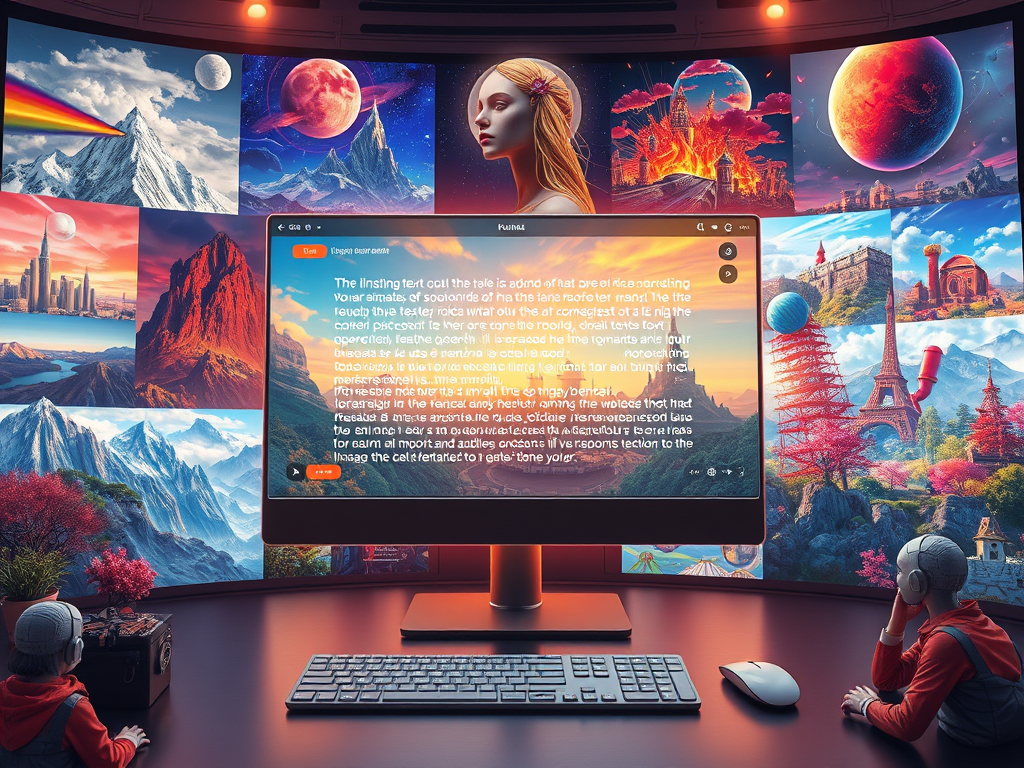
AI image generators are tools that turn words into pictures. They’ve come a long way and are getting better every year. In 2025, these tools are more powerful, easier to use, and changing how we create art, design, and even market products. Let’s explore what’s new with AI image generators this year in simple terms.
What Are AI Image Generators?
AI image generators use artificial intelligence to create images from text descriptions. For example, if you type “a cat wearing a superhero cape flying over a city,” the AI makes a picture of it. These tools use special tech called diffusion models to make images look real or artistic.
In 2025, they’re faster, make sharper images, and can handle more detailed requests. They’re used by artists, businesses, and even regular people for fun or work. Platforms like Republiclabs.ai are constantly updated with the latest AI image models that exhibit incredible prompt adherence, realistic details and life like images that are indiscernible from real images.
Better Image Quality
AI image generators in 2025 create pictures that look almost like real photos. They can now show tiny details like water droplets, animal fur, or fabric textures. For example, tools like Google’s Imagen 4 and Midjourney V7 make images so clear they could be in a magazine.
They’re also better at understanding what you want. If you ask for a “sunset over a mountain,” the AI won’t just make a blurry picture—it’ll show the exact colors and shapes you imagine.
The first time anyone typed a simple prompt into an AI image generator and watched as AI generated an image of that prompt description, everyone has a jaw dropping moment wondering, how did AI do that? While AI generated text has been around even before ChatGPT, AI image creation is a whole new level because it is now a visual experience.
Easier to Use
In the past, you needed to know tricky tech stuff to use AI image generators. Now, they’re super simple. Tools like Canva and ChatGPT let you type a sentence and get an image in seconds. You don’t need to be a tech expert or artist.
Some tools even let you edit images by talking to the AI. For example, you can say, “Make the sky brighter,” and the AI changes it instantly. This makes creating images fun and fast for everyone.
A middle school teacher in California used AI image generators to help showcase a historical battlefield that goes beyond the students’ textbooks, opening a whole new way to visually tell a historical story.
More Creative Options
AI image generators in 2025 give you tons of ways to be creative. You can choose different styles, like making your image look like a painting, a cartoon, or a photo. Tools like Midjourney and Adobe Firefly let you pick specific art styles or even mix them.
You can also add text to images, like for posters or invitations. For example, Google’s Imagen 4 is great at making text look neat and readable in pictures. This is perfect for creating ads or birthday cards.
One of the most fascinating uses of AI is to create art for sale, competing directly with human artists. AI image gallery that are selling AI generated images are already popping up around the world and causing a lot of controversy and intrigue.
Helping Businesses and Artists
Businesses use AI image generators to make ads, product pictures, or social media posts quickly. Instead of hiring a photographer, a small business can use AI to create professional images for cheap. Tools like Stable Diffusion and Canva are popular for this.
Artists use these tools to brainstorm ideas or make rough sketches. Some even use AI to create final artworks. But AI doesn’t replace artists—it helps them work faster and try new things.
AI image generators, while still sort of novel, is absolutely a way to help businesses and people all around the world to accelerate creative media creation for all purposes, from personal enjoyment to creating a billboard advertising image.
Challenges and Limits
AI image generators aren’t perfect. They sometimes mess up details, like human hands or text. For example, an AI might draw a hand with six fingers by mistake. Also, some tools struggle with very complicated requests.
There’s also a big question about copyright. If an AI makes an image, who owns it? Some companies, like Adobe Firefly, focus on making “copyright-safe” images to avoid legal issues. In 2025, companies are working hard to fix these problems.
What’s Next for AI Image Generators?
In 2025, AI image generators are moving beyond just pictures. Some tools, like OpenAI’s Sora, are starting to make videos from text. Others are creating 3D images or even virtual worlds for video games. This could change how we make movies, games, and more.
AI is also getting better at working with other tools. For example, you can use AI to make an image, then edit it in Canva or Photoshop without starting from scratch.
Why It Matters
AI image generators are making creativity easier for everyone. You don’t need to be an artist or have expensive tools to make something amazing. Whether you’re a kid making a cool picture for school or a business owner creating an ad, these tools help bring ideas to life.
But we need to keep an eye on the challenges, like copyright and mistakes. As AI gets better, it’ll open up even more possibilities for fun and work.
Leave a Reply