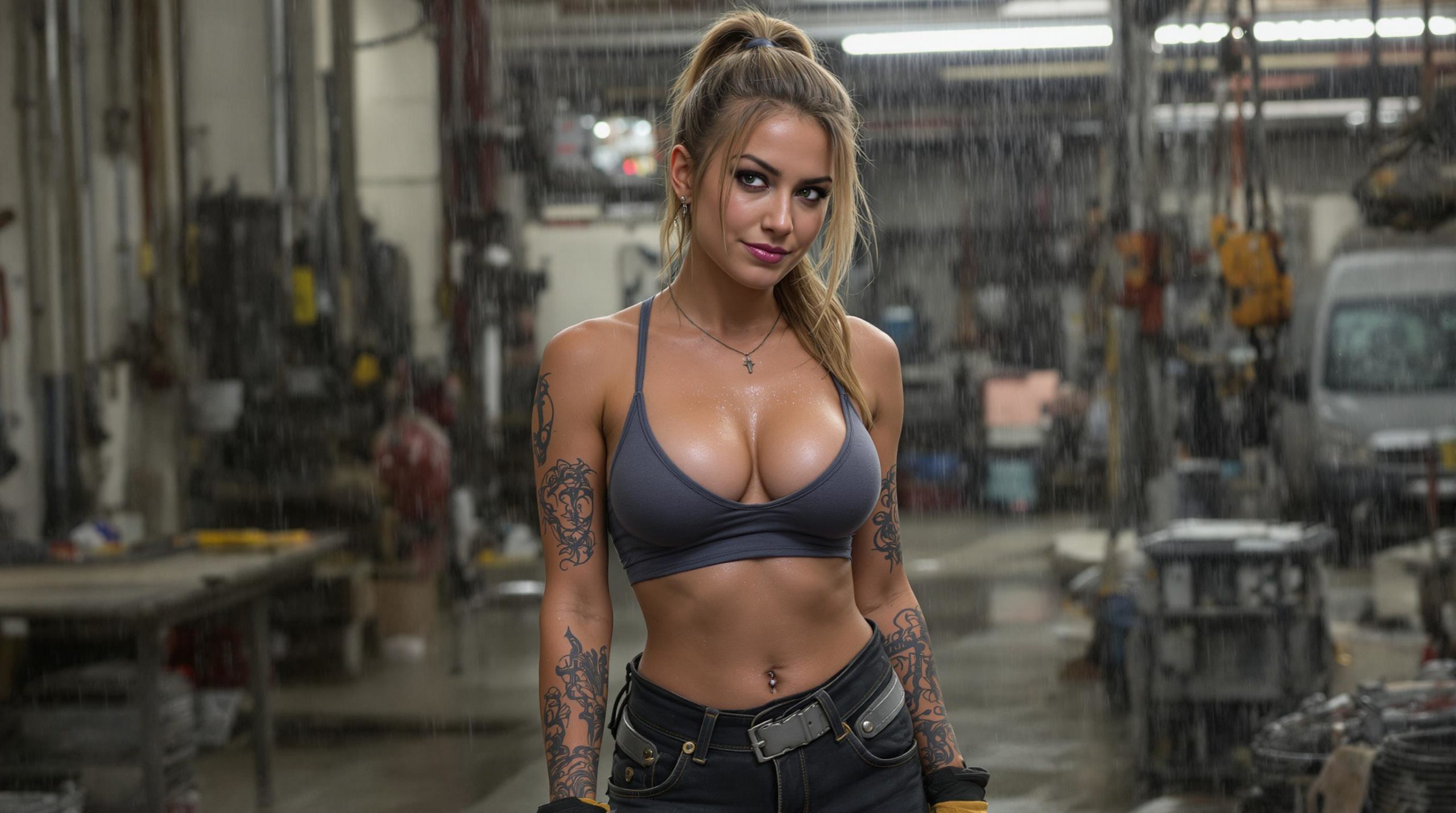

AI has revolutionized digital creativity, and AI image generators are at the forefront of this transformation. From surreal landscapes to photorealistic portraits, these tools turn text prompts into stunning visuals in seconds. However, many of the most well-known AI image generators—like OpenAI’s DALL-E 3, Midjourney, or Adobe Firefly—are proprietary, tied to big tech ecosystems, and often come with restrictive licenses, subscription fees, or ethical concerns about data usage. For creators seeking freedom, flexibility, and cost-effective solutions, open-source AI image generators offer a compelling alternative. Platforms like ai-image-generators.app provide access to proprietary open-source models that empower users to create without the constraints of big tech.
In this guide, we’ll explore the rise of free AI image generators beyond big tech, dive into the benefits of open-source models, highlight top tools available on platforms like ai-image-generators.app, and explain why these solutions are revolutionizing creative workflows. Whether you’re an artist, developer, or hobbyist, this post will help you navigate the world of open-source AI art tools and unlock your creative potential.
Why Choose Open-Source AI Image Generators?
The allure of big tech AI image generators is undeniable. Tools like DALL-E 3 and Midjourney produce high-quality visuals and boast user-friendly interfaces. However, they come with drawbacks:
- Cost: Many require subscriptions, such as ChatGPT Plus ($20/month) for DALL-E 3 access or Midjourney’s $8/month plan.
- Restrictions: Proprietary models often limit commercial use, impose strict content policies, or use generated content to train their algorithms, raising privacy concerns.
- Lack of Transparency: Big tech tools are “black boxes,” with little insight into their training data or algorithms, which can lead to ethical issues like unauthorized use of artists’ work.
Open-source AI image generators, by contrast, offer a refreshing alternative. These tools, often accessible through platforms like ai-image-generators.app, are freely available, customizable, and community-driven. According to a 2024 Forbes article, open-source models are favored for their cost-effectiveness, transparency, and customization potential, making them ideal for creators who want control over their tools. Here’s why open-source AI image generators stand out:
- Free Access: Most open-source models are free to use, with no subscription fees or credit systems, making them accessible to all.
- Customization: Developers and artists can modify the source code to tailor outputs to specific styles or needs, unlike rigid proprietary systems.
- Community Support: Open-source projects thrive on global collaboration, with forums, tutorials, and GitHub repositories offering resources and updates.
- Ethical Transparency: Many open-source models disclose their training data, reducing the risk of copyright infringement or unethical data practices.
Platforms like ai-image-generators.app aggregate these open-source tools, providing a one-stop shop for creators to explore models like Stable Diffusion, Flux.1, and more, without relying on big tech gatekeepers.
Top Free Open-Source AI Image Generators for 2025
Below, we highlight five of the best free open-source AI image generators available through platforms like ai-image-generators.app. These tools offer powerful features, from photorealistic outputs to artistic styles, and are ideal for creators seeking alternatives to big tech solutions.
1. Stable Diffusion: The Open-Source Powerhouse
Stable Diffusion, developed by Stability AI, is the gold standard of open-source AI image generators. Released in 2022, it has become a favorite among artists and developers for its versatility and high-quality outputs. Available through platforms like ai-image-generators.app, Stable Diffusion supports text-to-image and image-to-image generation, producing everything from photorealistic portraits to abstract art.
Key Features:
- Flexibility: Fine-tune models with as few as five images to create custom styles or subjects, perfect for branding or niche projects.
- Accessibility: Run locally on a GPU with at least 4GB of memory or access via web interfaces like DreamStudio or Stable Diffusion Web.
- Community Ecosystem: A vast network of tutorials, pre-trained models, and LoRA (Low-Rank Adaptation) weights allows for endless customization.
Use Case: A graphic designer can use Stable Diffusion to generate consistent brand imagery, tweaking the model to match their aesthetic without paying for proprietary tools.
How to Start: Download Stable Diffusion from its GitHub repository or access it through ai-image-generators.app. Craft detailed prompts like “a cyberpunk cityscape at dusk, neon lights, cinematic style” for best results.
2. Flux.1: The Next-Gen Contender
Developed by Black Forest Labs, Flux.1 is a newer open-source model that rivals proprietary giants like Midjourney and DALL-E 3 in visual quality and prompt adherence. Available on platforms like ai-image-generators.app, Flux.1 uses a hybrid architecture with 12 billion parameters, delivering stunning photorealistic images and excellent text rendering.
Key Features:
- Superior Quality: Outperforms Stable Diffusion XL in benchmark tests for visual fidelity and detail.
- Fast Generation: Optimized for speed, Flux.1 is accessible via cloud-based platforms or local setups.
- Text Rendering: Excels at generating text-heavy designs, like posters or logos, where other models falter.
Use Case: A small business owner can use Flux.1 to create professional marketing visuals, such as a logo with clear text, without investing in expensive software.
How to Start: Access Flux.1 through ai-image-generators.app or Segmind’s Serverless Cloud. Use negative prompts (e.g., “no blurry text”) to refine outputs.
3. Craiyon: The Beginner-Friendly Option
Craiyon, formerly DALL-E Mini, is a lightweight open-source AI image generator ideal for beginners. Available directly through its website or platforms like ai-image-generators.app, Craiyon requires no technical setup and runs entirely in your browser.
Key Features:
- Ease of Use: Type a prompt like “a penguin in a top hat” and get nine image variations in under a minute.
- Free Forever: No credits or subscriptions, making it perfect for casual users.
- Basic Features: Offers styles like “Art,” “Photo,” and “Drawing,” plus negative prompts to avoid unwanted elements.
Use Case: A social media manager can use Craiyon to quickly generate quirky visuals for posts, saving time and budget.
How to Start: Visit Craiyon.com or ai-image-generators.app, enter a simple prompt, and experiment with styles. For better results, use detailed prompts like “a vibrant watercolor painting of a forest with fireflies.”
4. AI-image-generators.app: The Creative All-in-One
AI-image-generators.app, built on open source models, is a polished open-source tool designed for creatives. Its user-friendly interface and no sign up or registration user workflow make it a standout on platforms like ai-image-generators.app.
Key Features:
- Free to use: Generate images without any limitations in terms of cost. It is completely free.
- No sign up or registration: One of the few platforms that do not require the user to sign up or provide email addresses
- Three Models: Choose from 3 different models (Flux, HiDream or Sana) for quick results.
Use Case: Any casual AI image generation uses can be achieved on AI-image-generators.app. There is no need to register or sign up, keeping everything anonymous and free.
How to Start: Head over to ai-image-generators.app. Experiment with prompts and use inpainting to refine details.
5. DeepFloyd IF: The Precision Powerhouse
DeepFloyd IF, developed by Stability AI’s DeepFloyd team, is an open-source model excelling in detailed, realistic images. Available through ai-image-generators.app, it’s ideal for professionals needing precise outputs for architectural designs or product visualizations.
Key Features:
- High Precision: Produces intricate images with sharp details, perfect for professional use.
- Modular Design: Combines a fixed text encoder with pixel diffusion modules for accurate results.
- Customizable: Adjust settings or input text descriptions to achieve desired outcomes.
Use Case: An architect can generate photorealistic renderings of building designs, saving on costly rendering software.
How to Start: Download DeepFloyd IF from its official source or use ai-image-generators.app. Craft specific prompts like “a modern glass skyscraper at sunset, highly detailed.”
Benefits of Using Open-Source AI Image Generators
Open-source AI image generators offer unique advantages that make them a go-to choice for creators:
- Cost-Effective Creativity: Unlike big tech tools, open-source models are free, with no recurring fees. This democratizes access for students, freelancers, and small businesses.
- Endless Customization: Developers can fine-tune models to create niche outputs, such as anime-style art (e.g., Waifu Diffusion) or abstract visuals (e.g., Disco Diffusion).
- Community-Driven Innovation: Open-source projects benefit from global collaboration, with frequent updates and new features driven by user feedback.
- Ethical Considerations: Many open-source models, like those on ai-image-generators.app, prioritize transparency in training data, reducing the risk of copyright issues compared to proprietary models trained on scraped internet content.
- Offline Capabilities: Tools like Stable Diffusion and InvokeAI can run locally, ensuring privacy and control over data.
A 2024 survey by DEV Community found that 50% of creative professionals believe AI enhances content quality and efficiency, with open-source tools leading the charge in accessibility. Platforms like ai-image-generators.app make these tools even more approachable by offering user-friendly interfaces and cloud-based options for those without powerful hardware.
Challenges and Considerations
While open-source AI image generators are powerful, they come with some caveats:
- Technical Expertise: Setting up models like Stable Diffusion locally requires technical know-how and a GPU with sufficient memory. However, platforms like ai-image-generators.app simplify this with web-based access.
- Hardware Requirements: Running models locally demands robust hardware, though cloud-based solutions mitigate this.
- Variable Quality: Results depend on prompt quality and model settings. Iterating and refining prompts is key to achieving desired outcomes.
- Ethical Use: While open-source models offer transparency, users must ensure they’re not generating harmful or non-consensual content, especially with tools like Unstable Diffusion for NSFW projects.
To overcome these challenges, start with user-friendly tools like Craiyon or use platforms like ai-image-generators.app for simplified access. Join online communities on GitHub or X to learn prompt-crafting tips and stay updated on new features.
How to Maximize Open-Source AI Image Generators
To get the most out of these tools, follow these best practices:
- Craft Detailed Prompts: Be specific, e.g., “a futuristic spaceship orbiting a neon planet, cinematic lighting, ultra-detailed.”
- Use Negative Prompts: Exclude unwanted elements, like “no blurry faces, no text artifacts.”
- Iterate and Refine: Generate multiple versions and refine based on the best elements.
- Leverage Community Resources: Explore forums and social media groups for prompt ideas and model tweaks.
- Post-Process Outputs: Use editing software to enhance AI-generated images for professional use.
The Future of Open-Source AI Image Generation
The rise of open-source AI image generators signals a shift toward democratized creativity. As big tech tools face scrutiny over data practices and costs, open-source models are gaining traction. A 2025 ZDNET article predicts that open-source AI will continue to drive innovation, with community-driven projects outpacing proprietary solutions in flexibility and accessibility.
Platforms like ai-image-generators.app are at the forefront, aggregating tools like Stable Diffusion, Flux.1, and InvokeAI to make them accessible to all. Future advancements may include improved text rendering, multi-modal capabilities (e.g., combining images and audio), and even easier interfaces for non-technical users.
Conclusion: Embrace the Open-Source Revolution
Free AI image generators beyond big tech, like those on ai-image-generators.app, offer creators unparalleled freedom, affordability, and customization. Tools like Stable Diffusion, Flux.1, Craiyon, AI-image-generators.app, and DeepFloyd IF empower artists, developers, and businesses to bring their visions to life without the restrictions of proprietary systems. By leveraging open-source models, you can create stunning visuals, from photorealistic designs to whimsical art, while supporting a transparent, community-driven ecosystem.
Ready to dive in? Visit AI-image-generators.app to explore these tools, experiment with prompts, and join the open-source revolution. Share your creations in the comments or on social media to inspire others. The future of AI art is open, accessible, and in your hands.
Leave a Reply