Artificial Intelligence (AI) has revolutionized the way we create, manipulate, and interact with visual media. From generating photorealistic images to producing high-quality videos, AI image and video generation technologies are advancing at an unprecedented pace. These innovations are transforming industries like entertainment, marketing, gaming, and education while raising important questions about ethics, accessibility, and creative potential. In this blog post, we’ll explore the latest trends in AI image and video generation as of July 2025, diving into the technologies, applications, and implications driving this dynamic field.
1. Photorealistic Image Generation: Pushing the Boundaries of Realism
AI image generation has reached new heights with models capable of producing hyper-realistic visuals indistinguishable from photographs. Technologies like diffusion models and enhanced Generative Adversarial Networks (GANs) have been pivotal. Leading models, such as those from MidJourney, DALL·E, and Stable Diffusion, now generate images with intricate details, natural lighting, and lifelike textures.
Key Trends:
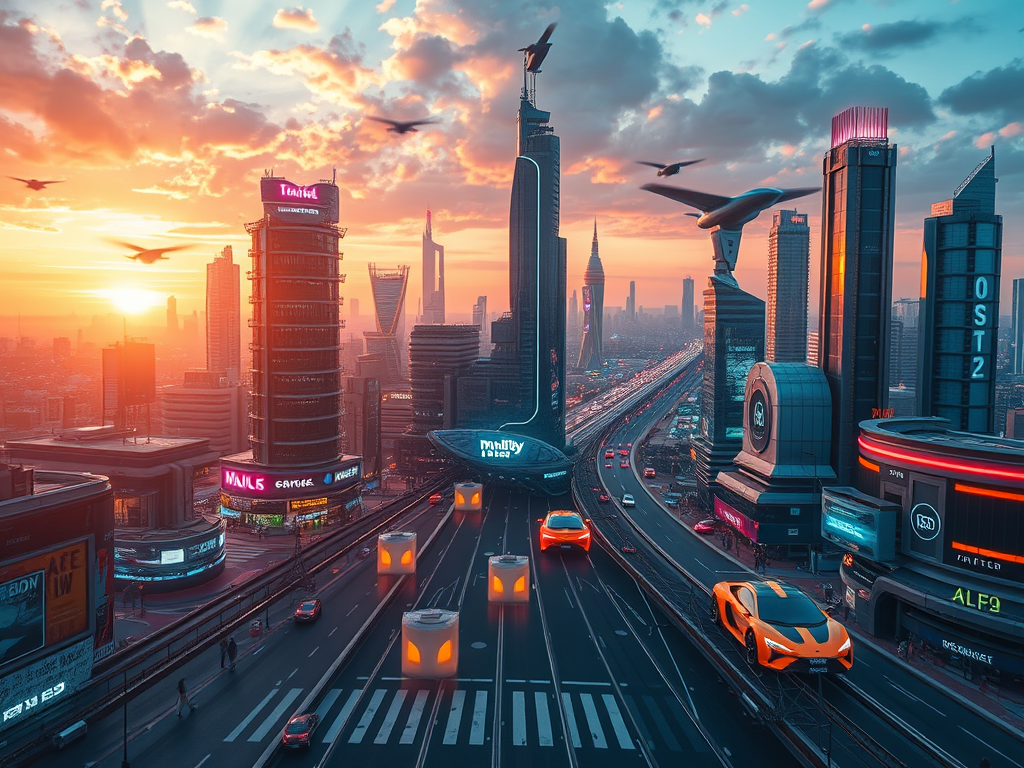
- Improved Text-to-Image Models: The latest iterations allow users to input detailed text prompts, such as “a futuristic cityscape at sunset with neon lights and flying cars,” and receive highly accurate visuals. These models leverage larger datasets and advanced natural language processing (NLP) to better interpret user intent.
- Personalization and Customization: AI tools now offer fine-tuned control, enabling users to adjust styles, color palettes, or specific elements (e.g., swapping faces or altering backgrounds). Platforms like Runway and Artbreeder allow for iterative refinements, making them popular among artists and designers.
- Real-Time Generation: Advances in computational efficiency have reduced rendering times, allowing real-time image generation for applications like live design collaboration or interactive gaming environments.
Applications:
Photorealistic AI images are widely used in advertising, where brands create custom visuals without costly photoshoots. In gaming, developers use AI to generate textures and environments, streamlining production. Additionally, AI-generated art is gaining traction in the NFT space, with collectors valuing unique, algorithmically created pieces.
2. Video Generation: From Static to Dynamic
AI video generation has emerged as a game-changer, evolving from short, low-resolution clips to coherent, high-definition videos. Models like Sora (from OpenAI), Runway’s Gen-3, and Luma AI’s Dream Machine are leading the charge, enabling users to create videos from text prompts or static images.
Key Trends:
- Text-to-Video Advancements: Similar to text-to-image models, text-to-video systems allow users to input descriptions like “a serene beach at sunrise with waves crashing” and generate short, high-quality video clips. These models excel at maintaining temporal consistency, ensuring smooth transitions between frames.
- Image-to-Video Animation: AI can now animate static images, turning a single photograph into a dynamic video. For example, a portrait can be animated to show facial expressions or a landscape can depict moving clouds and water.
- Long-Form Video Generation: While early AI videos were limited to seconds, newer models can generate longer sequences, up to several minutes, with consistent narratives. This is achieved through advanced temporal modeling and larger training datasets.
Applications:
In filmmaking, AI video tools assist with pre-visualization, creating storyboards or animatics from scripts. Marketers use AI-generated videos for social media campaigns, producing engaging content in minutes. Education platforms leverage these tools to create animated explainer videos, enhancing learning experiences.
3. Ethical AI and Bias Mitigation
As AI image and video generation becomes mainstream, ethical concerns are at the forefront. Issues like deepfakes, copyright infringement, and biased outputs have prompted significant developments in responsible AI.
Key Trends:
- Bias Reduction: Developers are improving training datasets to ensure diverse representation, reducing stereotypes in generated content. For example, AI models are being trained on more inclusive datasets to avoid perpetuating racial or gender biases.
- Deepfake Detection and Watermarking: To combat misinformation, AI systems now embed invisible watermarks in generated content, making it traceable. Additionally, deepfake detection tools are improving, using AI to identify manipulated media with high accuracy.
- Ethical Guidelines and Regulations: Governments and organizations are establishing frameworks to regulate AI-generated content. In 2025, we see increased collaboration between tech companies and policymakers to set standards for transparency and accountability.
Implications:These advancements ensure that AI-generated media is used responsibly, fostering trust among users. For instance, content creators can confidently use AI tools knowing their work is protected from misuse, while consumers benefit from safeguards against deceptive media.
4. Integration with AR/VR and the Metaverse
AI image and video generation is increasingly integrated with augmented reality (AR), virtual reality (VR), and the metaverse, creating immersive digital experiences.
Key Trends:
- Real-Time 3D Asset Creation: AI generates 3D models and textures for virtual environments, reducing the time and cost of building metaverse worlds. Tools like NVIDIA’s Omniverse and Meta’s AI-driven platforms are leading this space.
- Dynamic AR Filters: Social media platforms like Instagram and Snapchat use AI to create interactive filters that adapt to user movements in real time, enhancing user engagement.
- Personalized Virtual Avatars: AI generates lifelike avatars from user inputs, such as photos or text descriptions, for use in VR games or virtual meetings.
Applications:In gaming, AI-driven assets create expansive, realistic worlds for players to explore. In the metaverse, businesses use AI-generated visuals for virtual storefronts or events, enhancing user experiences. AR applications in retail allow customers to visualize products in their homes, boosting e-commerce.
5. Accessibility and Democratization
AI image and video generation tools are becoming more accessible, empowering creators of all skill levels to produce professional-quality content.
Key Trends:
- No-Code Platforms: Tools like Canva, Kapwing, and Republiclabs.ai integrate AI generation features into user-friendly interfaces, requiring no technical expertise.
- Open-Source Models: Communities around platforms like Stable Diffusion continue to release open-source models, allowing developers to customize and innovate freely.
- Mobile Integration: AI generation apps on iOS and Android, such as Lensa and Picsart, enable users to create and edit visuals on the go, broadening access to mobile-first creators.
Applications:
Small businesses and independent creators benefit from affordable, high-quality content creation, leveling the playing field with larger corporations. Educators use these tools to create engaging materials, while hobbyists explore creative expression without needing advanced skills.
6. Multimodal AI: Combining Text, Image, and Video
Multimodal AI, which integrates text, image, and video generation, is a growing trend. These systems allow seamless transitions between media types, enhancing creative workflows.
Key Trends:
- Unified Models: AI systems like Google’s Imagen and Meta AI’s Make-A-Scene combine text, image, and video capabilities, allowing users to generate a still image, animate it into a video, and refine it with text prompts in one workflow.
- Interactive Storytelling: Multimodal AI enables dynamic storytelling, where users can input a narrative, and the AI generates corresponding visuals and animations, adapting to real-time changes.
- Cross-Media Editing: Tools now allow users to edit videos using text prompts, such as “change the background to a forest” or “add a character walking in the scene,” streamlining post-production.
Applications:
Filmmakers use multimodal AI to prototype entire scenes, while marketers create cohesive campaigns across images, videos, and text. Interactive media, such as choose-your-own-adventure games, leverages these tools for immersive storytelling.
7. Sustainability and EfficiencyAs AI models grow more complex, there’s a focus on making them sustainable and computationally efficient.
Key Trends:
- Optimized Algorithms: Newer models require less computational power, making them accessible on consumer-grade hardware or cloud platforms.
- Eco-Friendly AI: Companies are investing in green AI, using energy-efficient data centers and optimizing training processes to reduce carbon footprints.
- Edge Computing: AI generation is moving to edge devices, like smartphones and laptops, enabling offline creation and reducing reliance on cloud servers.
Implications:These advancements make AI generation more affordable and environmentally friendly, broadening its adoption across industries and regions.
Conclusion
The latest trends in AI image and video generation—photorealistic visuals, advanced video synthesis, ethical safeguards, AR/VR integration, accessibility, multimodal capabilities, and sustainability—are reshaping how we create and consume visual content. These technologies empower creators, streamline workflows, and open new possibilities for storytelling and innovation. However, they also demand responsible use to address ethical challenges like misinformation and bias. As we move forward, AI will continue to blur the lines between human and machine creativity, redefining the future of visual media.Whether you’re a filmmaker, marketer, educator, or hobbyist, these tools offer unprecedented opportunities to bring your ideas to life. Stay tuned as AI continues to evolve, pushing the boundaries of what’s possible in the visual realm.
Leave a Reply